


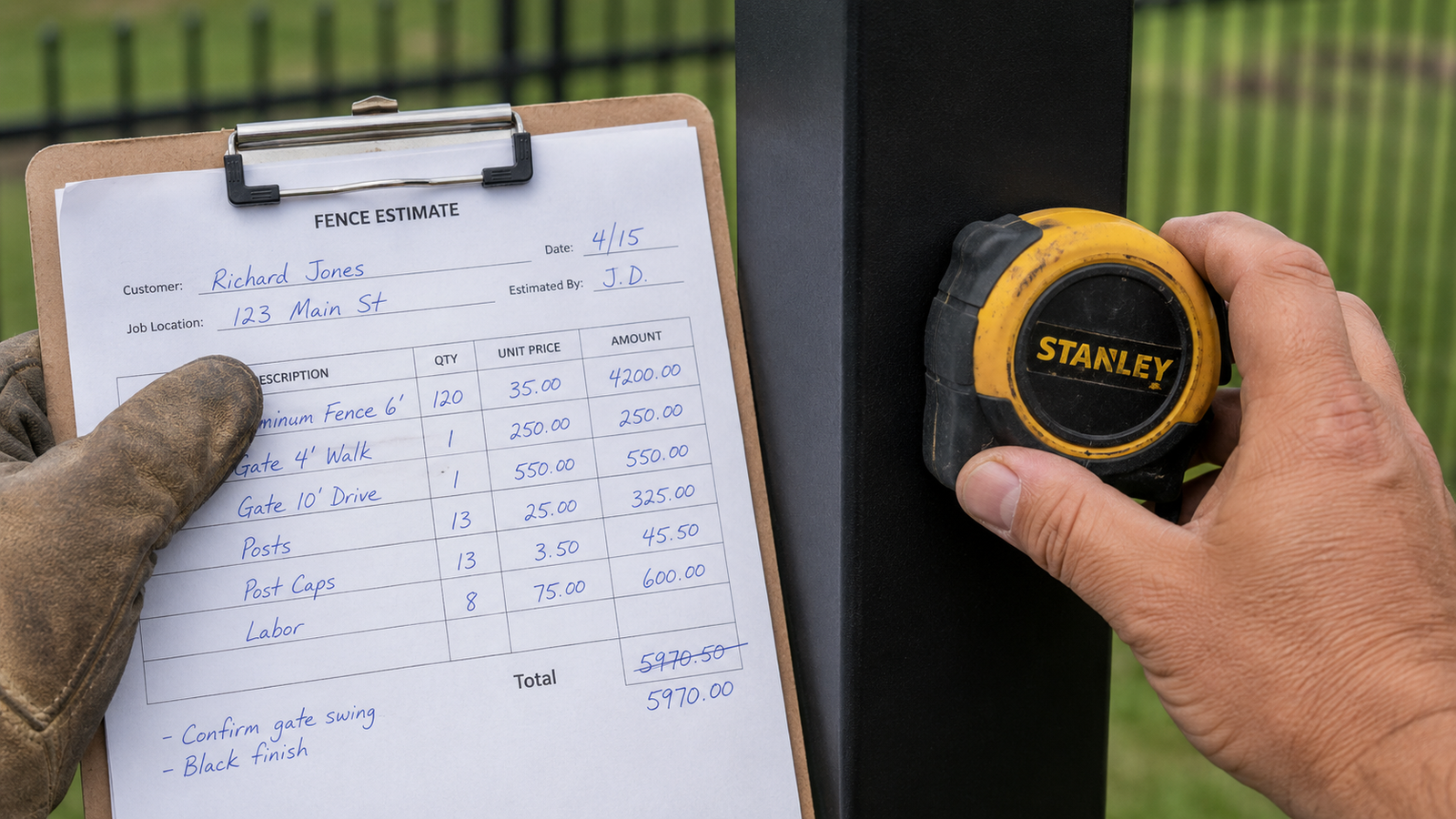
Every installer has lived this one. The crew is on site, the holes are augered, and you come up two panels short on a Friday afternoon with the supplier already closed. Or worse, you over-ordered by six sections and now that money is sitting in your shop collecting dust instead of moving to the next job. A takeoff that is off by even five percent quietly eats your margin on every run you quote. The good news is that aluminum is one of the most predictable materials to estimate, as long as you respect how the system is built.
Here is how to run a clean takeoff from the walk to the final hardware count.
Start with an honest linear-foot measurement
Walk the perimeter, not the plot plan. Plot plans lie, or at least they round. Grab your wheel or your GPS measure and pull the actual run, then break it into straight segments between every direction change. You want linear footage per segment, not one lump number, because corners and gates change your post math.
Deduct your gate openings from the fenced footage now, not later. A 4 foot single gate and a 10 foot double gate are 14 feet that do not get panels. Miss this and you will order panels you cannot use.
Panel count is simple, until it is not
Aluminum panels ship in fixed lengths. Most residential and light commercial lines run 6 feet (72 inches), with some commercial systems available at 8 feet. Your formula is straightforward:
Panels per segment = segment length in feet divided by panel length, always rounded up.
So a 40 foot run with 6 foot panels is 6.67, which rounds to 7 panels. That leftover partial panel gets field-cut to close the gap. The mistake rookies make is rounding down or averaging across the whole job. Round up per segment, every time, because you cannot stretch a rigid panel the way you can trim a wood picket.
Posts: this is where takeoffs go sideways
Post spacing on aluminum is not a choice, it is fixed by the panel. For a 6 foot panel you set posts roughly 72.5 inches on-center, measured center to center, not gap to gap. That half inch accounts for the post width itself.
Count your posts by type, because they are not interchangeable:
Line posts
Carry panels on both sides and make up the bulk of your count. On a single straight run, line posts equal panels plus one.
End posts
Terminate a run against a wall, house, or nothing. One routing face only.
Corner posts
Take panels on two adjacent faces at 90 degrees.
Gate posts
Are the heavy hitters. They are thicker-walled than line posts because they carry the swing load, and you need one on each side of every opening. Never substitute a line post here. A leaning gate post is the number one warranty callback in this trade.
Add a quick note for single gate openings: add a quarter inch to the rough opening so the cap does not rub the post as the gate settles. It is a small thing that saves a return trip.
Grade changes: rack it or step it
Flat lots are a gift you rarely get. On slopes you have two paths. Rackable panels pivot to follow the grade, and most standard aluminum panels rack somewhere between 0 and 6 inches over a 6 foot section. Double-punched panels push that much further, into the 16 to 20 inch range, which matters on real Ontario ravine lots.
When the grade beats what your panel can rack, you stair-step instead, keeping panels level and stepping down at each post. That method changes your takeoff. Stepping usually calls for taller posts, sometimes blank posts with angle brackets, and it can add a panel or two because you lose coverage at each step. Flag every graded segment on your takeoff sheet so you order the right post lengths the first time.
Hardware is the line item everyone underestimates
Panels and posts are easy to remember. The hardware is what gets left off the PO. Run through this list for every job: brackets or fasteners at each panel-to-post connection, self-tapping stainless screws, post caps for every single post (yes, all of them), gate hinges and latches per opening, and drop rods for double gates. Post caps alone are forgotten on maybe half the takeoffs I have seen. Ten missing caps looks sloppy and holds up the final invoice.
The Canadian part nobody puts in the estimate
This is where most guides stop and where Canadian installers actually get burned.
Post length is a frost calculation, not a fence-height calculation. Your embedment has to clear the local frost line, and that number is regional. The GTA sits around a 42 inch (3.5 foot) frost line. Ottawa and the Montreal area run closer to 4 to 4.5 feet. The Prairies are brutal at 5 to 7 feet, while coastal BC gets off easy near 2 feet. So the same 6 foot fence needs a much longer post in Winnipeg than in Victoria. Build your post length as: height above grade, plus frost depth, plus a buffer. Order posts to that number, not to a national default.
Then there is the liability piece. Freestanding fences under 2 metres are generally exempt from Ontario Building Code footing rules, which lulls a lot of crews into shallow holes. Courts have still leaned on reasonable construction practice when a heaved fence damages a neighbour's property. Set to frost depth regardless of the permit exemption. It protects the client and it protects you.
Pool enclosures are their own animal. The maximum gap between pickets is commonly 4 inches (roughly 100 mm), but your Authority Having Jurisdiction may be stricter, and the self-closing, self-latching gate hardware has its own spec. Confirm with the municipality before you order, because a failed pool inspection means re-ordering non-conforming panels on your dime.
One more that costs real money: powder-coat colour matching. If you under-order and re-order later, a fresh batch can land in a slightly different shade than the original run. On a visible front-yard install, a mismatched panel is a redo. This is the strongest argument for a proper buffer.
Build in a buffer, then lock the order
For most jobs, order 5 to 10 percent over on panels and fasteners. It covers field cuts, the odd damaged section from freight, and the miscount that happens on every big run. If you are shipping across provinces, factor lead times too, because a shortage in Halifax or Calgary is not a same-day fix the way it is in Vaughan. A small planned surplus is cheaper than a stalled crew and a second delivery.
Featured Medallion aluminum systems for your next takeoff
For residential and light commercial runs where clean sightlines matter, the Fairmont Series is the workhorse.
Stepping up to estate and light commercial with a heavier picket, the Wellington Series holds its line well on longer graded runs.
For industrial, commercial, and institutional perimeters where post and rail sizing gets serious, the Oxford Series is built for it.
Quick reference: takeoff checklist
Walk the actual perimeter
Plot plans round. Use a measuring wheel or GPS and break the run into straight segments at every direction change.
Deduct gate openings first
Subtract every gate width from the fenced footage before you calculate panels. A 4 ft single and 10 ft double gate remove 14 ft of panel coverage.
Round up per segment
Divide each straight segment by panel length and round up individually. Never average across the whole job.
Count posts by type
Line, end, corner, and gate posts are not interchangeable. Gate posts are thicker-walled and carry swing load.
Flag every graded segment
Rackable panels handle up to 6 inches of slope. Beyond that, step it and order taller posts with angle brackets.
Do not forget the hardware
Brackets, screws, post caps for every post, gate hinges, latches, and drop rods for doubles. Post caps are the most forgotten item.
Calculate post length to frost depth
GTA: ~42 in. Ottawa/Montreal: 4–4.5 ft. Prairies: 5–7 ft. Coastal BC: ~2 ft. Height above grade + frost depth + buffer.
Order 5–10% over on panels and fasteners
Covers field cuts, freight damage, and miscounts. A small surplus is cheaper than a stalled crew and a second delivery.
Related Reading
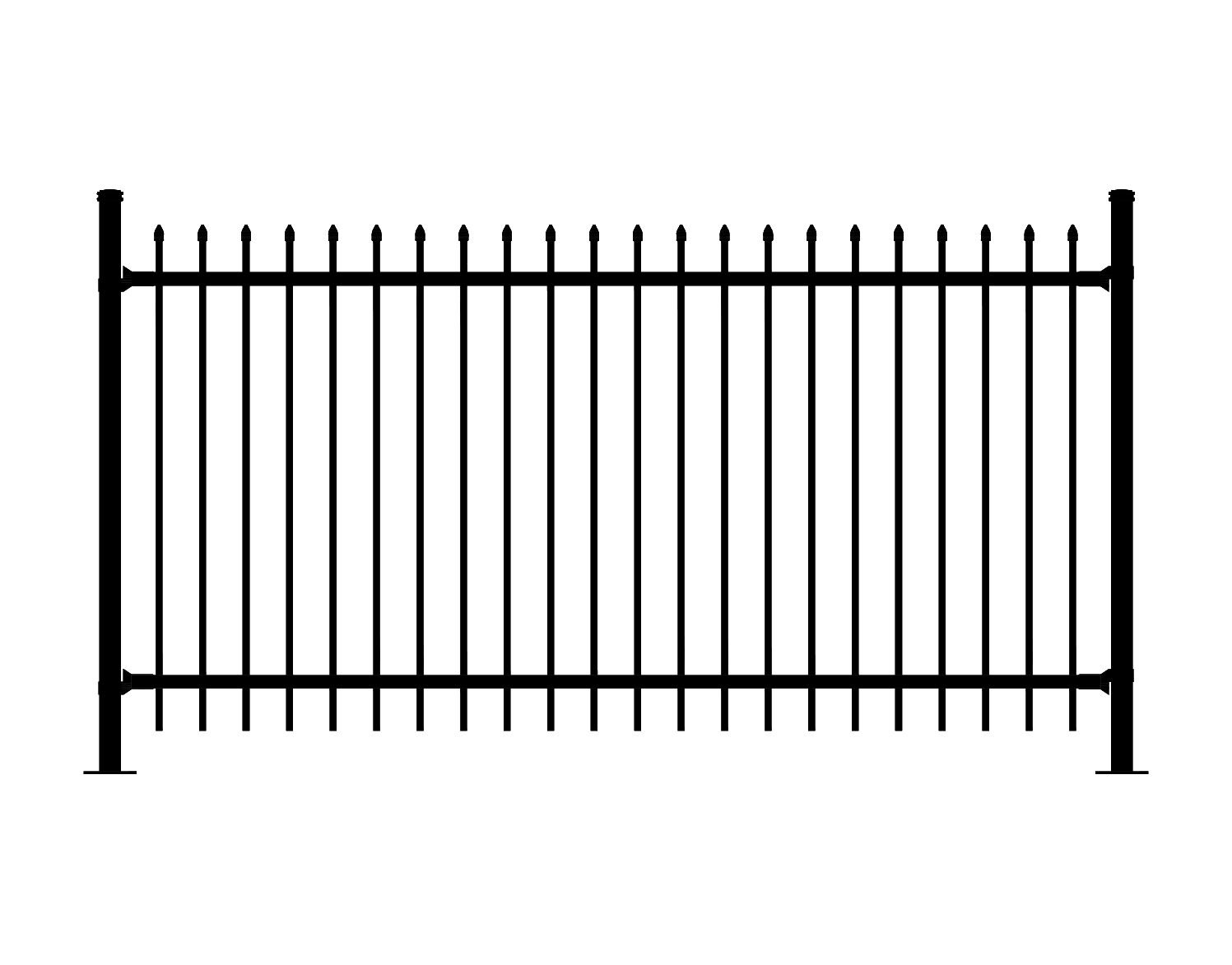
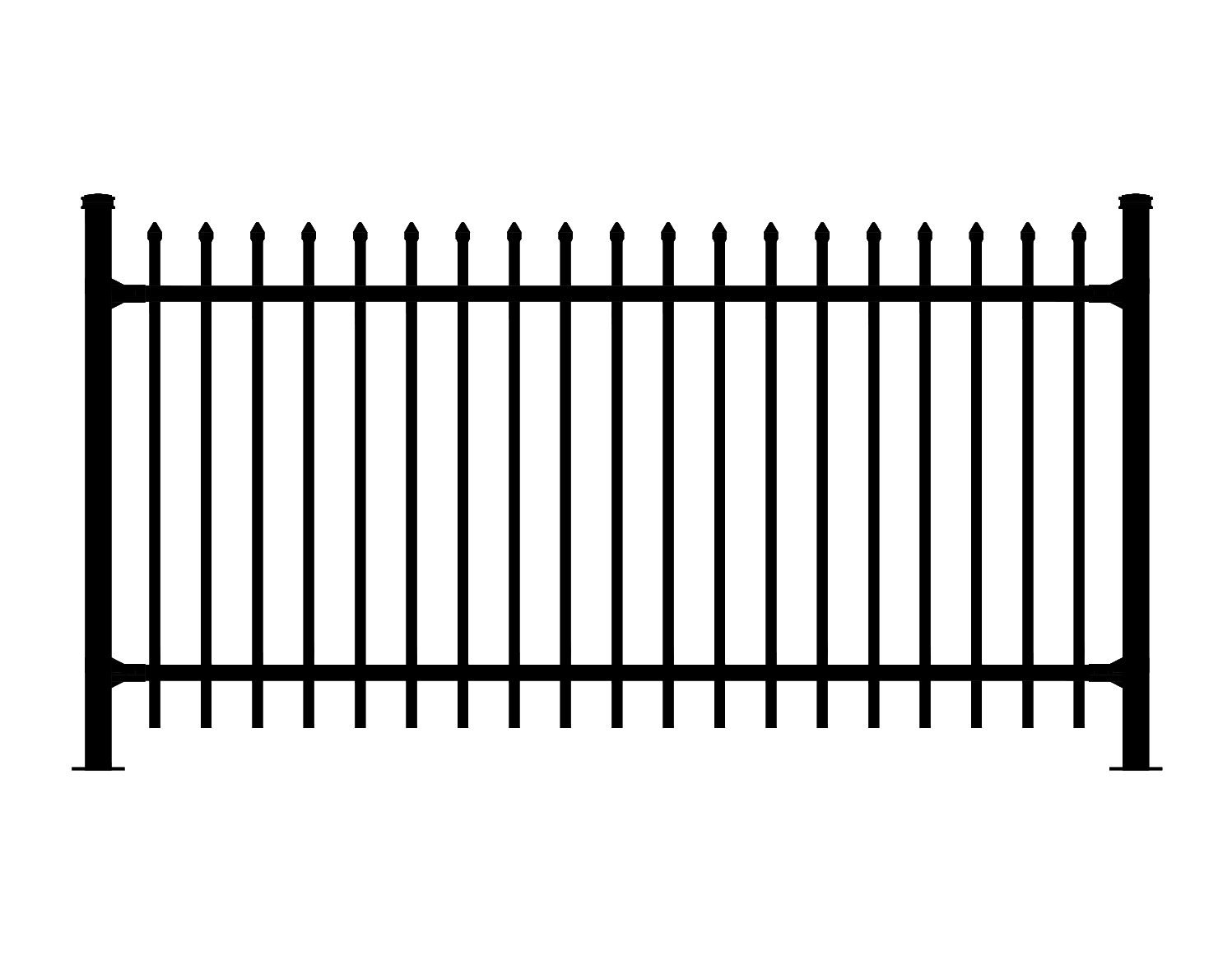
Nail the linear feet, count posts by type, respect the frost line, and pad the order. Do that and your takeoffs stop leaking margin. Bookmark this one and run it before every quote.
Ready to lock in your next takeoff?
Speak with a Medallion Fence product specialist to spec the right series, post lengths, and hardware package for your run.
Get a Quote