



If you've ever stood in your backyard staring at a leaning, rusted fence that technically belongs to both you and your neighbour, you already know how quickly a simple home improvement can turn into a standoff. One person wants a nice black aluminum fence. The other wants to spend as little as possible. Nobody wants to make the first call. Sound familiar?
This is one of the most common situations fence contractors across Ontario run into, and it's governed by a piece of legislation most homeowners have never heard of until they're in the middle of a dispute: the Line Fences Act.
What the Line Fences Act Actually Does
The Line Fences Act is Ontario provincial legislation that applies to boundary fences, commonly called line fences or division fences, in most parts of the province. It doesn't force anyone to build a fence. What it does is give property owners a legal path to resolve disagreements when one neighbour wants a fence built, rebuilt, or repaired and the other doesn't want to cooperate.
Here's the part that surprises a lot of homeowners: nobody in Ontario is legally required to put up a fence between two properties, and one neighbour cannot force the other to pay for half of a fence they decided to build on their own. The Act only becomes relevant once someone wants to formally compel their neighbour to participate.
The 50/50 Rule, and Where It Breaks Down
As a general rule, when a boundary fence is needed, both property owners are expected to split the cost equally, unless they've agreed otherwise in writing or verbally. That sounds simple enough until you factor in taste and budget. One homeowner wants a basic chain link. The other wants a powder coated aluminum fence that actually matches the house. This is where a lot of calls to contractors start.
The legal principle here matters for both sides of that argument. If one neighbour wants something more elaborate, such as an ornamental or wood fence, the other person cannot be forced to pay half of the upgraded cost, and the fair solution is usually for the neighbours to split the price of a basic fence while the person who wants the nicer option covers the difference themselves. So yes, you can absolutely upgrade your side of the story without dragging your neighbour's wallet into it, but you're footing the premium.
There's also a detail almost nobody talks about: a fence built purely for one household's benefit, like containing a dog, generally isn't something you can force a neighbour to co-pay for, since by-laws in many municipalities place the financial responsibility on the person who actually benefits when the fence serves one household specifically, such as keeping pets contained. If the fence is genuinely a shared boundary need for safety or privacy, that's a different story and cost sharing usually applies.
When Neighbours Can't Agree: Fence-Viewers and the Award Process
When talking doesn't work, the Act provides a formal arbitration process. This arbitration only applies in two situations: when no fence exists yet and one owner wants a new one built to mark the boundary, or when a line fence already exists and one owner believes it needs to be rebuilt or repaired.
Here's how it plays out in real life. A property owner applies to their local municipality, which appoints three independent fence-viewers to inspect the property and issue a decision called an award. That award spells out how the work is divided and who pays, which can mean each owner builds or repairs a designated half, or one person does the physical work while the other pays half the cost. The award also sets out the style, materials, and completion date, and if the municipality has its own fence by-law under the Municipal Act, the award has to conform to it.
If someone disagrees with the outcome, there's an appeal option, but it isn't free. A dissatisfied owner has fifteen days from receiving the certified award to start an appeal, and the appeal fee in 2026 is $406.05, adjusted annually with Ontario's Consumer Price Index. That fee alone convinces a lot of neighbours to just work it out.
The Trap Almost No One Warns You About
This is the part contractors need to flag for clients constantly. If you build or rebuild an entire fence on your own initiative first and then try to make your neighbour pay after the fact, the Act won't help you. The arbitration procedure does not apply once one owner has already constructed a new line fence or fully rebuilt an existing one, and if the work is already done, the parties either have to settle it themselves or go to Small Claims Court. In other words, timing is everything. Notify your neighbour and get the fence-viewer process moving before the crew shows up, not after the concrete's cured.
There's an equally overlooked wrinkle around trees. Boundary disputes don't stop at fencing. If a tree trunk actually straddles the property line, Ontario treats it as jointly owned, meaning both neighbours have to agree before it comes down and share responsibility for its upkeep. Contractors doing post holes near a shared tree line should know this before anyone starts digging.
What This Means If You're a Contractor
For installers, this legislation isn't just background trivia, it's liability protection.
Get It In Writing
Get the notice and agreement in writing before the first post goes in.
Check The Invoice
Confirm whether both names are on the invoice or just one.
Watch For Warning Signs
And if a client mentions their neighbour "isn't thrilled" about the project, that's your cue to ask more questions before you're caught in the middle of an arbitration.
Choosing a Fence Both Neighbours Can Live With
Since cost sharing usually comes down to agreeing on a standard, mutually acceptable fence, picking a series that balances price, durability, and curb appeal makes these conversations a lot easier for everyone involved.
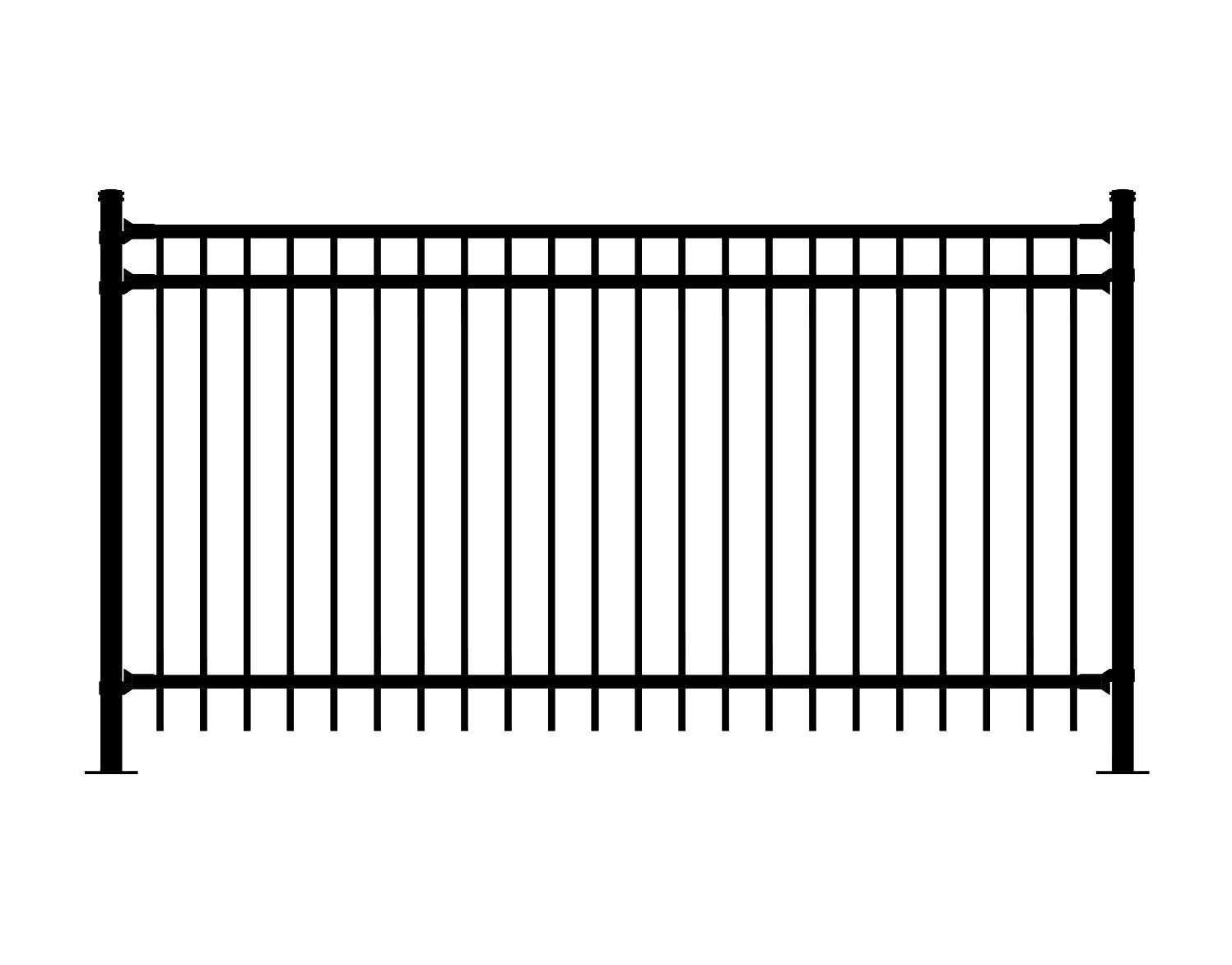
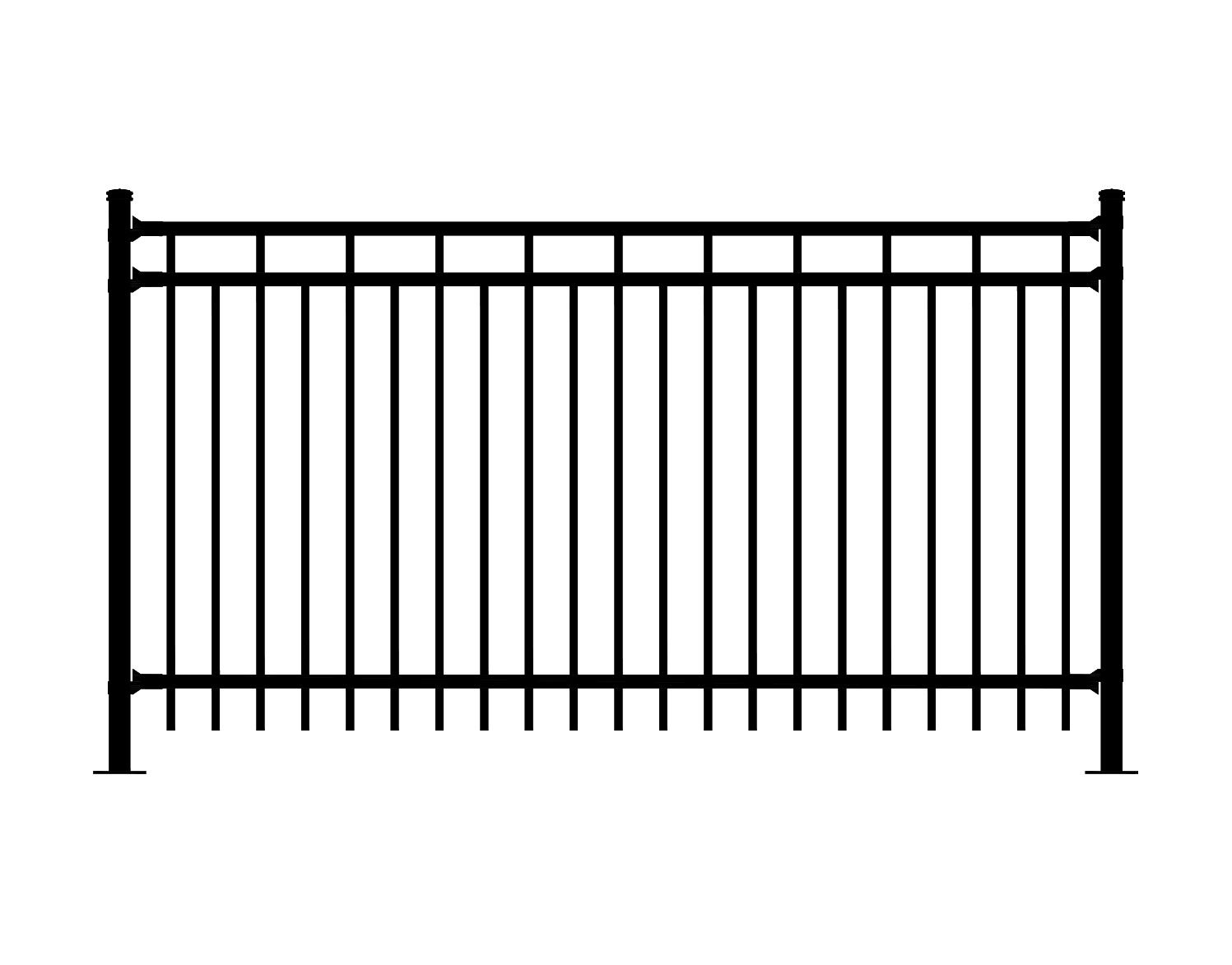
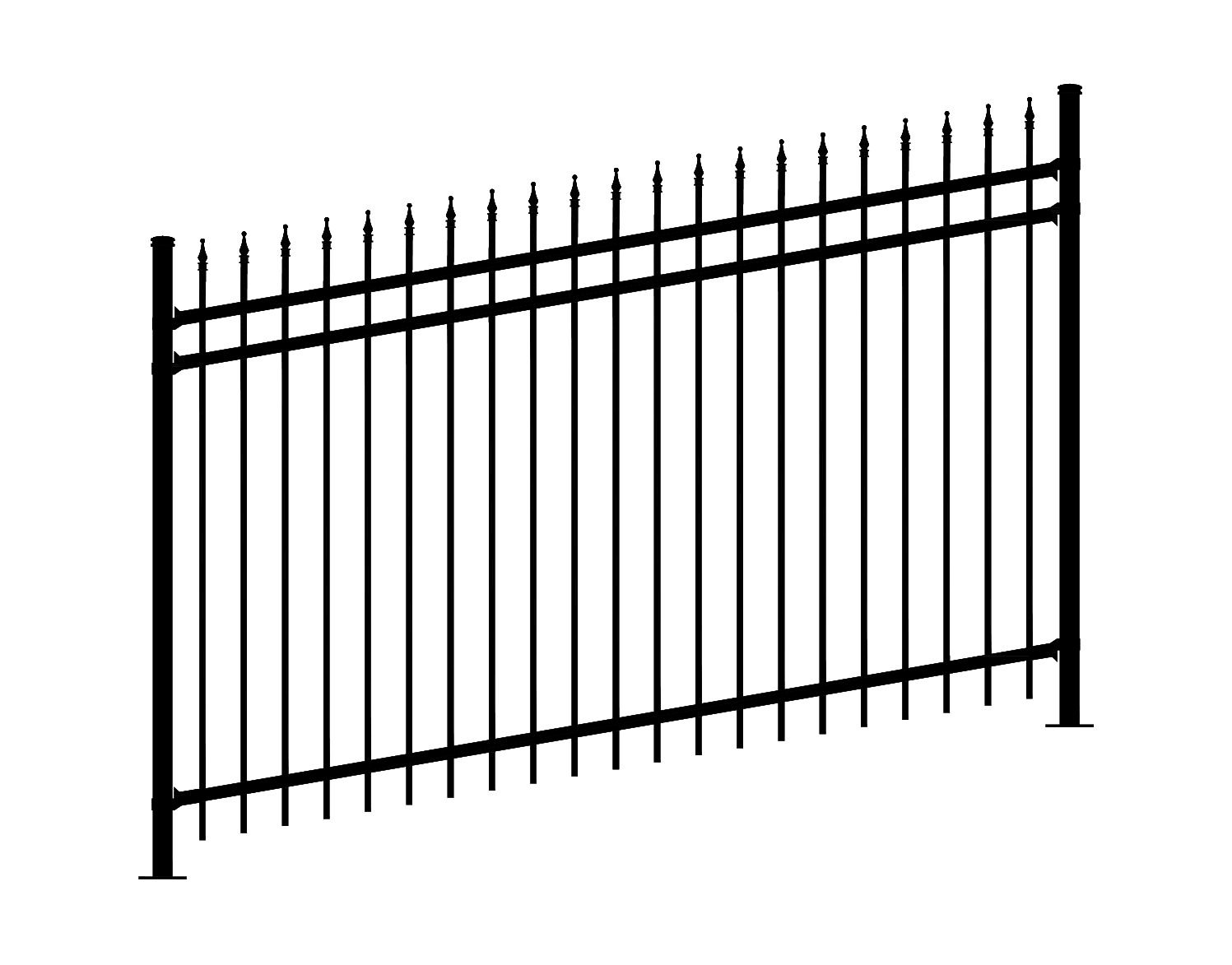
All three are manufactured in Maple, Ontario with the Armour-Shield corrosion protection system built in, which matters a lot when you're asking a neighbour to invest in something that needs to survive Canadian winters without rusting apart in five years.
Before You Build That Fence
Whether you're a homeowner in Whitby trying to figure out if your neighbour owes you half, or a contractor quoting a job where two names are supposed to be on the cheque, a five minute conversation before construction saves everyone the $406.05 appeal fee and a lot of awkward small talk at the mailbox for years to come.
Work With Medallion Fence
Medallion Fence has been manufacturing aluminum and steel fencing in Ontario for over 50 years and can help you and your neighbour land on a series that fits both budgets.