


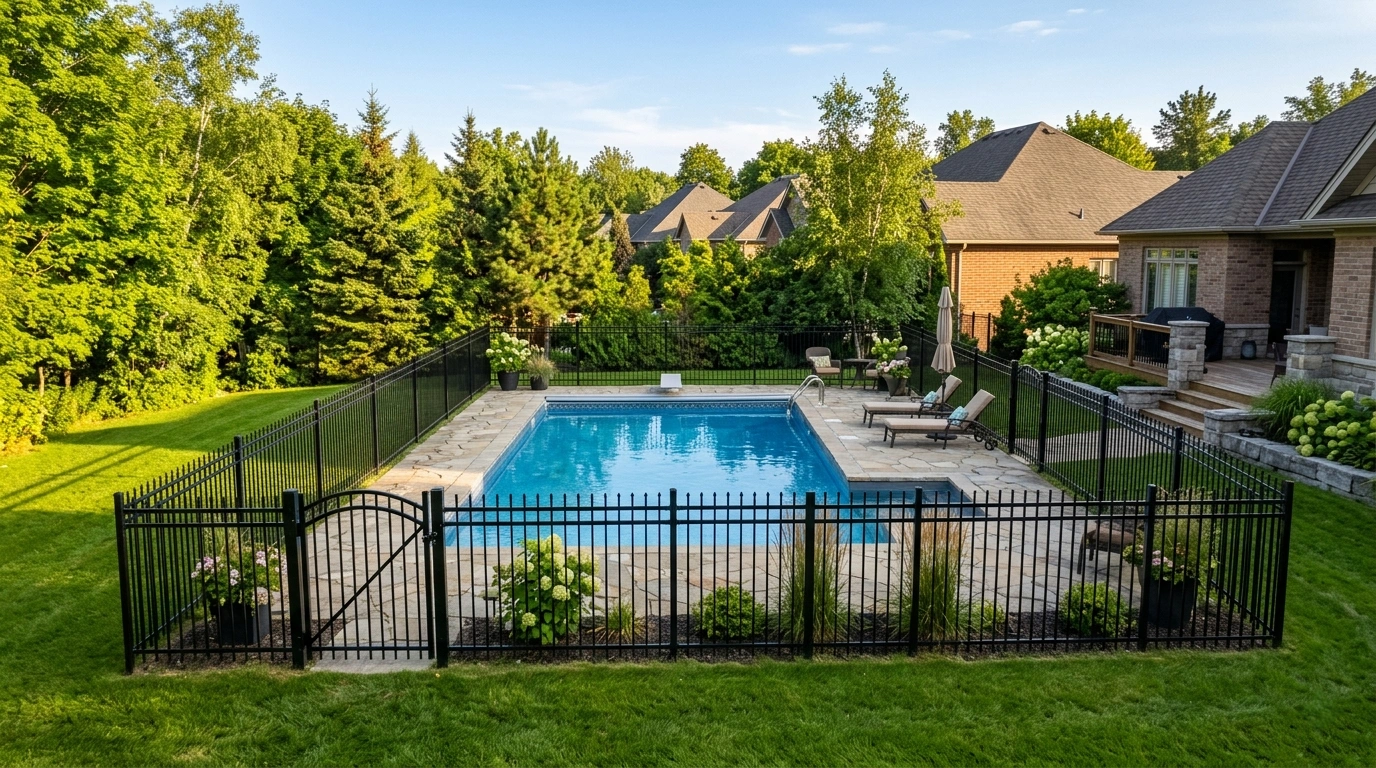
If you have a backyard pool in Canada, or you are planning to install one this summer, there is one thing you cannot ignore: the fence around it. Pool fencing is not optional. It is legally required in every province. But here is where things get confusing for most people. The rules are not the same from one province to the next, and in many cases, your city or municipality adds its own layer on top of the provincial code.
I have spent years watching homeowners and even experienced contractors get caught off guard by this. Someone installs a beautiful pool in Calgary, only to find out that the fence height requirement there is completely different from what their cousin dealt with in Ottawa. Or a Quebec homeowner who has had a pool since 2005 suddenly discovers they need to bring their entire enclosure up to new standards or face fines.
So let us walk through the actual requirements, province by province, and address the questions that nobody seems to talk about.
Ontario: The Provincial Baseline and Municipal Wildcards
Ontario's pool fence regulations fall under the Ontario Building Code (OBC). The provincial baseline requires a minimum fence height of 1.2 metres (4 feet) around any pool with a water depth of 600 mm (about 24 inches) or more. Gates must be self-closing and self-latching, and the latch mechanism needs to be positioned out of reach of small children.
But here is the catch that trips people up constantly. Municipalities in Ontario can, and often do, set stricter standards than the province. Toronto, for example, bumped the minimum pool fence height to 1.5 metres (5 feet) in its updated bylaw. Openings between pickets cannot exceed 100 mm (about 4 inches), and horizontal elements should be placed on the pool side of the fence so kids cannot use them as a climbing ladder. You also cannot fill a pool with water in Toronto until the city has inspected and approved your enclosure.
If you are a contractor working across the GTA, this means you need to verify the local bylaw for every single job. Do not assume what worked in Mississauga flies in Brampton.
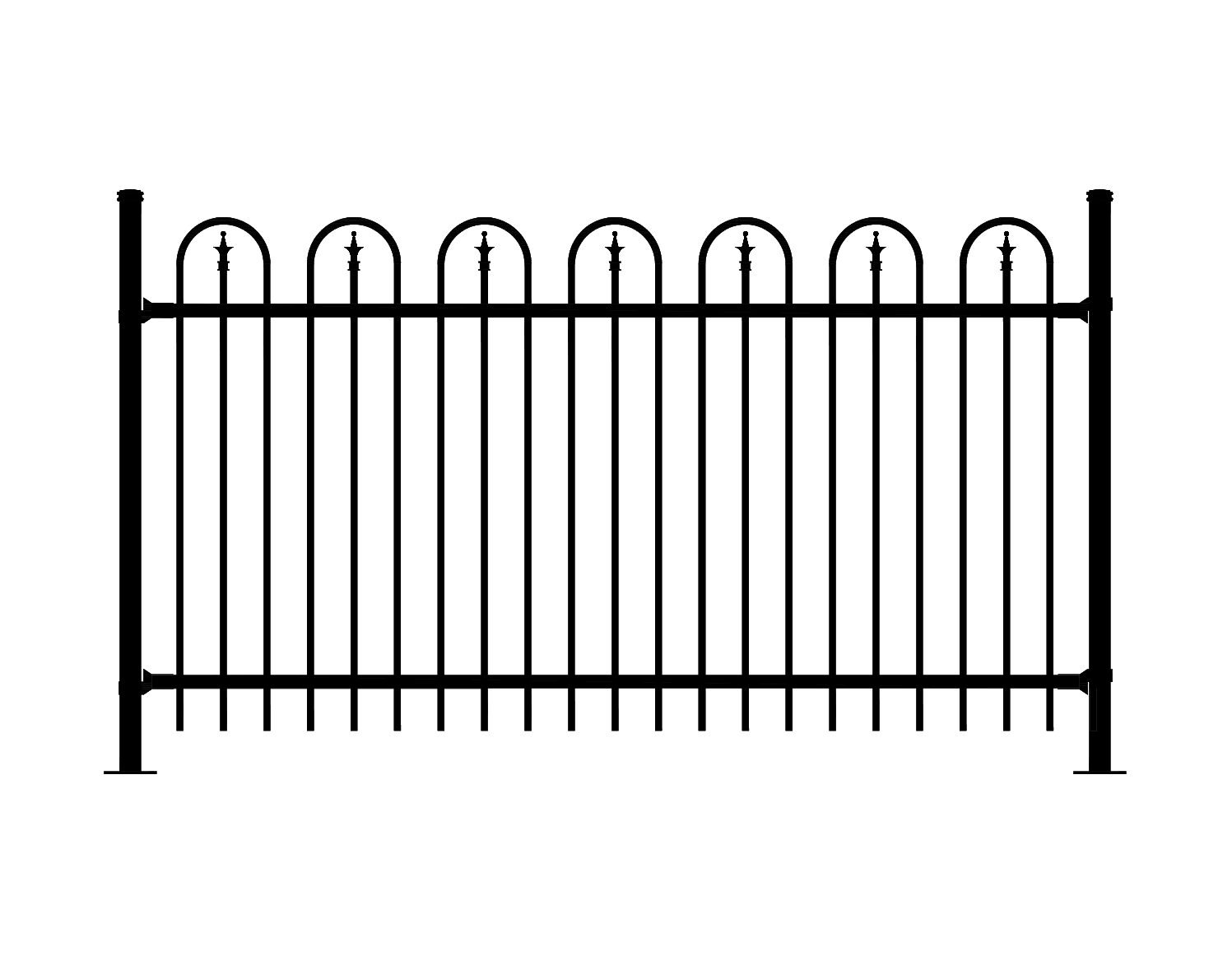
For residential pool enclosures in Ontario, aluminum fence systems like the Fairmont™ Series from Medallion Fence are a strong fit. With 5/8" x 5/8" pickets and 1-1/4" x 1-1/4" rails, the picket spacing on these panels is designed to meet the sub-100 mm gap requirement right out of the box. Available in both steel and aluminum, they handle Ontario's freeze-thaw cycles without warping or corroding.
Quebec: The Biggest Regulatory Shakeup in the Country
Quebec has arguably the most aggressive pool fence enforcement in all of Canada right now. The province's Residential Swimming Pool Safety Regulation originally required all pools, including those installed before November 2010, to comply with updated safety standards by September 30, 2025. That deadline was later pushed to fall 2027 after a massive citizen petition gathered over 28,500 signatures.
But make no mistake. The requirements themselves have not changed one bit. Every pool 60 cm deep or more must be enclosed with a fence at least 1.2 metres high. The fence cannot have any openings wider than 100 mm. Gates need self-closing and self-latching mechanisms, with the latch installed on the pool side. If the latch is on the outside, it must sit at a minimum height of 1.5 metres from the ground. Chain-link fences require slats if the mesh openings exceed 30 mm. And there is a one-metre clearance rule: no structures, equipment, or objects that a child could climb on can sit within one metre of the fence or pool wall.
Fines for non-compliance in Quebec range from $500 to $1,000 for a first offence, and municipalities have full authority to enforce them. If you are a contractor in the Montreal area, the demand for compliant pool fencing is enormous right now, and it is only going to increase as the 2027 deadline approaches.
British Columbia: Provincial Guidelines, Municipal Enforcement
BC takes a slightly different approach. The BC Building Code does not technically mandate fences around all residential pools. However, it strongly recommends barriers to prevent unauthorized access, and the province's Pool Design Guidelines (updated to Version 3 in April 2025) specify a fence height of 1.5 metres (5 feet) for backyard residential pools. The bottom of the fence must sit no more than 100 mm above the ground. Gate latches must be at least 1.4 metres (4.5 feet) above the ground and installed on the pool side, with gates swinging outward away from the pool.
One thing BC makes explicitly clear: hedges and plants are not an acceptable substitute for a fence. If you are a homeowner in Vancouver, Surrey, or Kelowna, check your municipal bylaw because many BC municipalities do make pool fencing mandatory even though the provincial code frames it as a guideline.
For properties in BC where a 1.5 m fence is required, the Wellington™ Series offers a heavier residential-grade option with 3/4" x 3/4" pickets for added rigidity and a more substantial estate look. It is a step up from standard residential fencing and holds up well in BC's coastal climate.
Alberta: Municipal Rules Run the Show
Alberta does not have a specific provincial regulation for residential pool fencing in the way Quebec or Ontario does. Instead, enforcement happens almost entirely at the municipal level through city bylaws and the Alberta Safety Codes Act.
In Edmonton, the rules are among the strictest in the country. Pool fences must be a minimum of 1.8 metres (6 feet) high, measured on the exterior side. Gates must also be 1.8 metres, self-closing, and equipped with a self-latching device positioned at least 1.5 metres above the ground on the pool side. Horizontal and diagonal fence components must be placed on the pool side, and no opening can exceed 100 mm.
Calgary follows a similar pattern: 1.8-metre minimum height, lockable gates, full enclosure with no gaps allowing outside access. Barbed wire and electric fencing are prohibited on residential properties in both cities.
If you are quoting a pool fence job in Alberta, the 1.8 m height requirement means you need a product that can be specified at that height without looking industrial. The Oxford™ Series is rated for commercial and institutional applications with 1-1/2" x 1-1/2" rails and 1" x 1" pickets. It gives you the structural integrity to meet Alberta's taller requirements while still looking clean and polished in a residential backyard.
Manitoba and Saskatchewan: Do Not Overlook the Prairies
Manitoba's Building Code requires a fence for any pool holding more than 24 inches of water. In Winnipeg, the minimum height is 1.5 metres (5 feet), and the fence must be non-scalable. A common myth in Winnipeg is that pool fences need to be 6 feet; the actual requirement is 5 feet, though some surrounding municipalities do set the bar at 6 feet.
Saskatchewan handles things at the municipal level. Saskatoon, for example, directs pool owners to contact their Building Standards Department before construction, and the city's Private Swimming Pools Bylaw governs the specifics.
The Questions Nobody Talks About
Here are the things Canadian homeowners and contractors ask behind closed doors, but rarely find straight answers for online:
Does my existing fence count as a pool fence?
Usually not without modifications. Most standard 6-foot privacy fences were not built with self-closing, self-latching gates. If your backyard perimeter fence does not have compliant gate hardware and meets all the gap, height, and anti-climb requirements, it will not pass inspection.
Can my house wall be one side of the pool enclosure?
This depends entirely on your municipality. Some Ontario and Quebec municipalities explicitly prohibit using the house as one wall of the enclosure. Others allow it if all doors and windows within the enclosure area have child-resistant locks. Always confirm locally.
What about above-ground pools?
In most provinces, an above-ground pool with rigid walls at least 1.2 metres high and no exterior deck or permanent ladder does not need a separate fence. The pool wall itself acts as the barrier. But the moment you add a deck, a permanent staircase, or any external access point, you need a compliant fence around the access area.
Will a pool fence affect my insurance?
Absolutely. Many Canadian home insurance policies require a compliant pool enclosure. If an incident occurs and your fence does not meet code, your insurer may deny your claim entirely. This is one of the most overlooked financial risks of pool ownership in this country.
Do I need a permit?
In almost every jurisdiction across Canada, yes. You need a permit before constructing a pool enclosure. In Toronto, you cannot even fill the pool until the fence passes inspection.
Choosing the Right Fence System
For any pool fence project, the gate is just as important as the panels. Medallion Fence offers Custom Gates in arched and flat-top configurations that can be fitted with self-closing hinges and self-latching hardware to meet code in every province. Matching your gate style to your fence panels (whether Fairmont™, Wellington™, or Oxford™) keeps the installation looking seamless while checking every compliance box.
From Our Fairmont™ Series
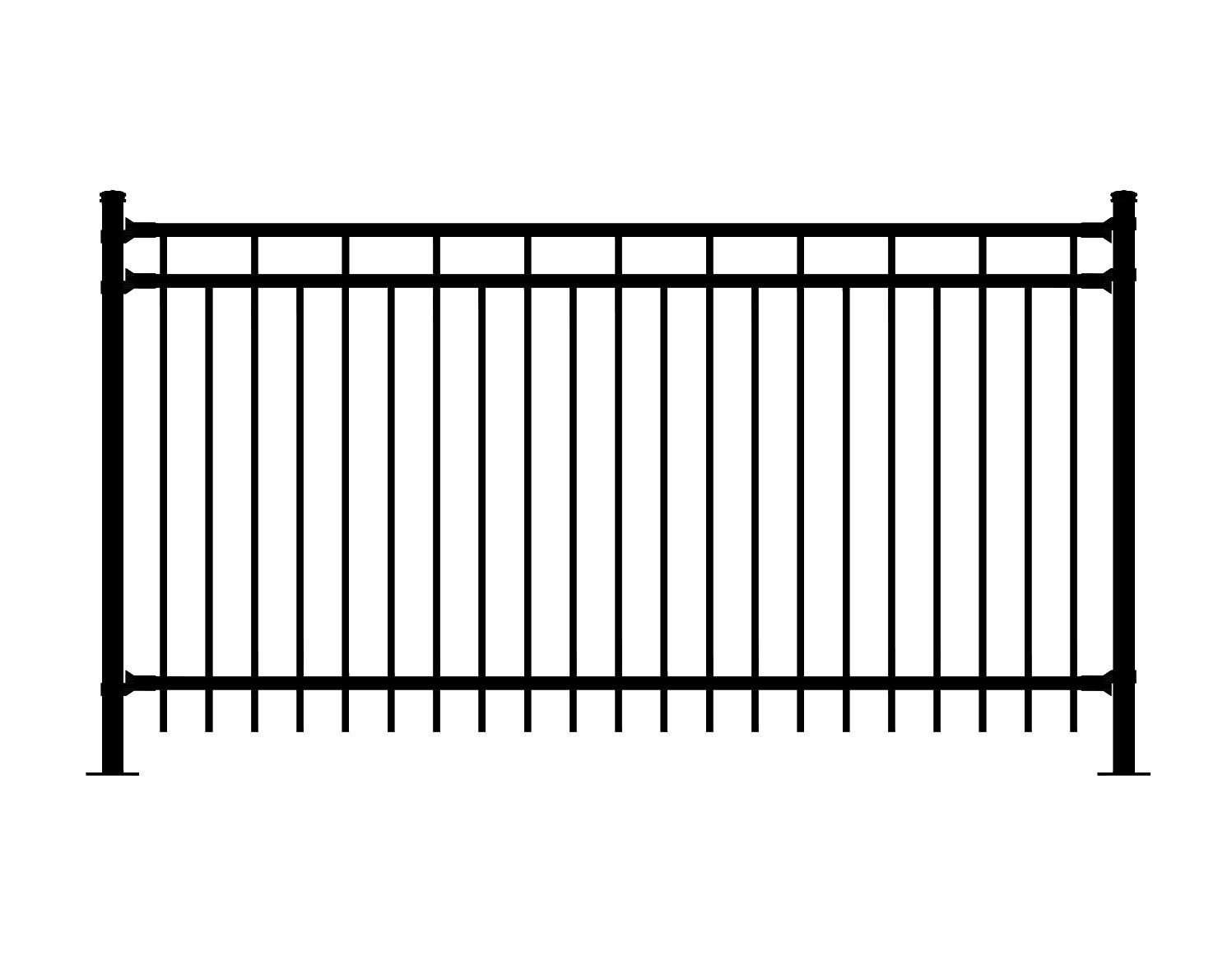
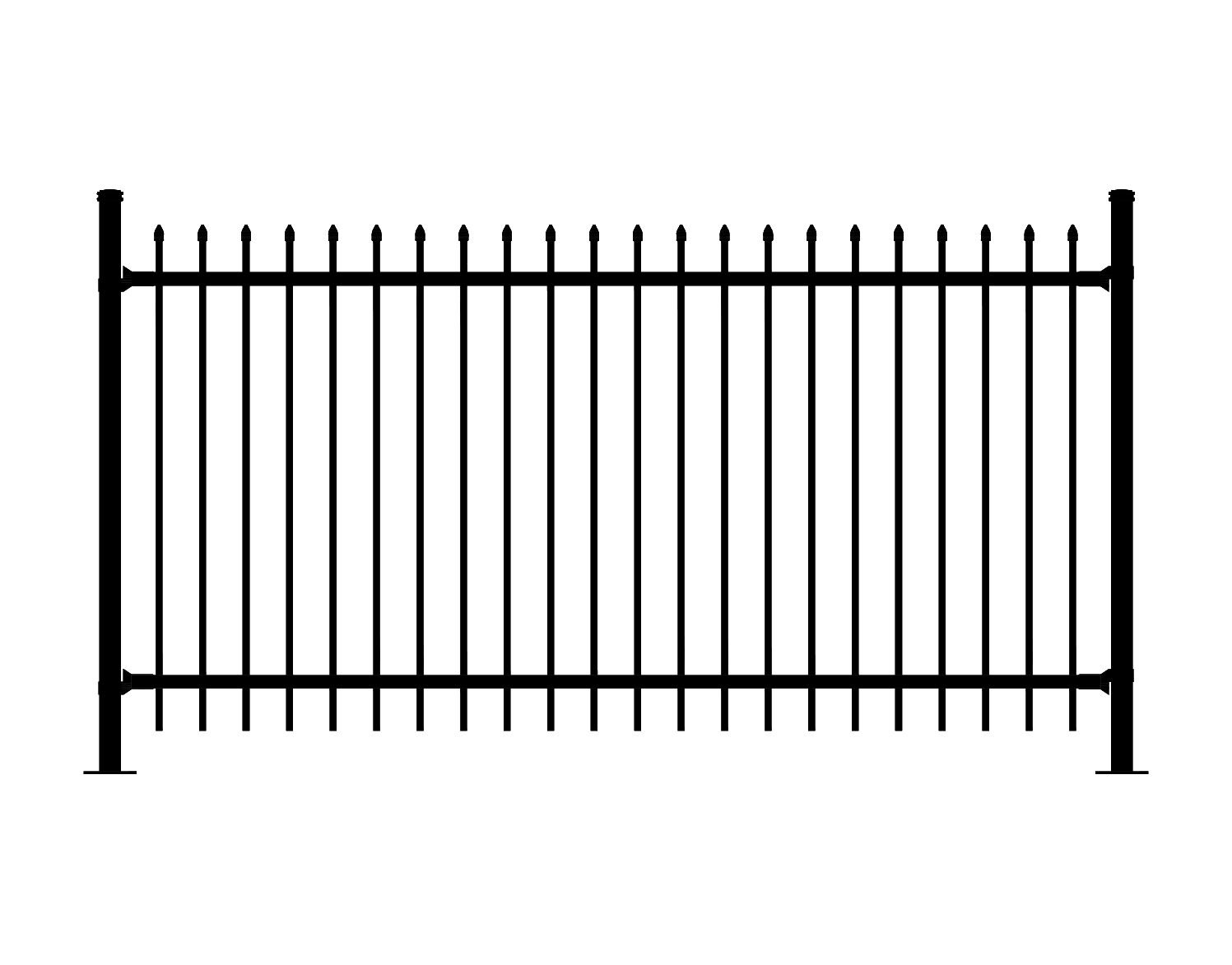
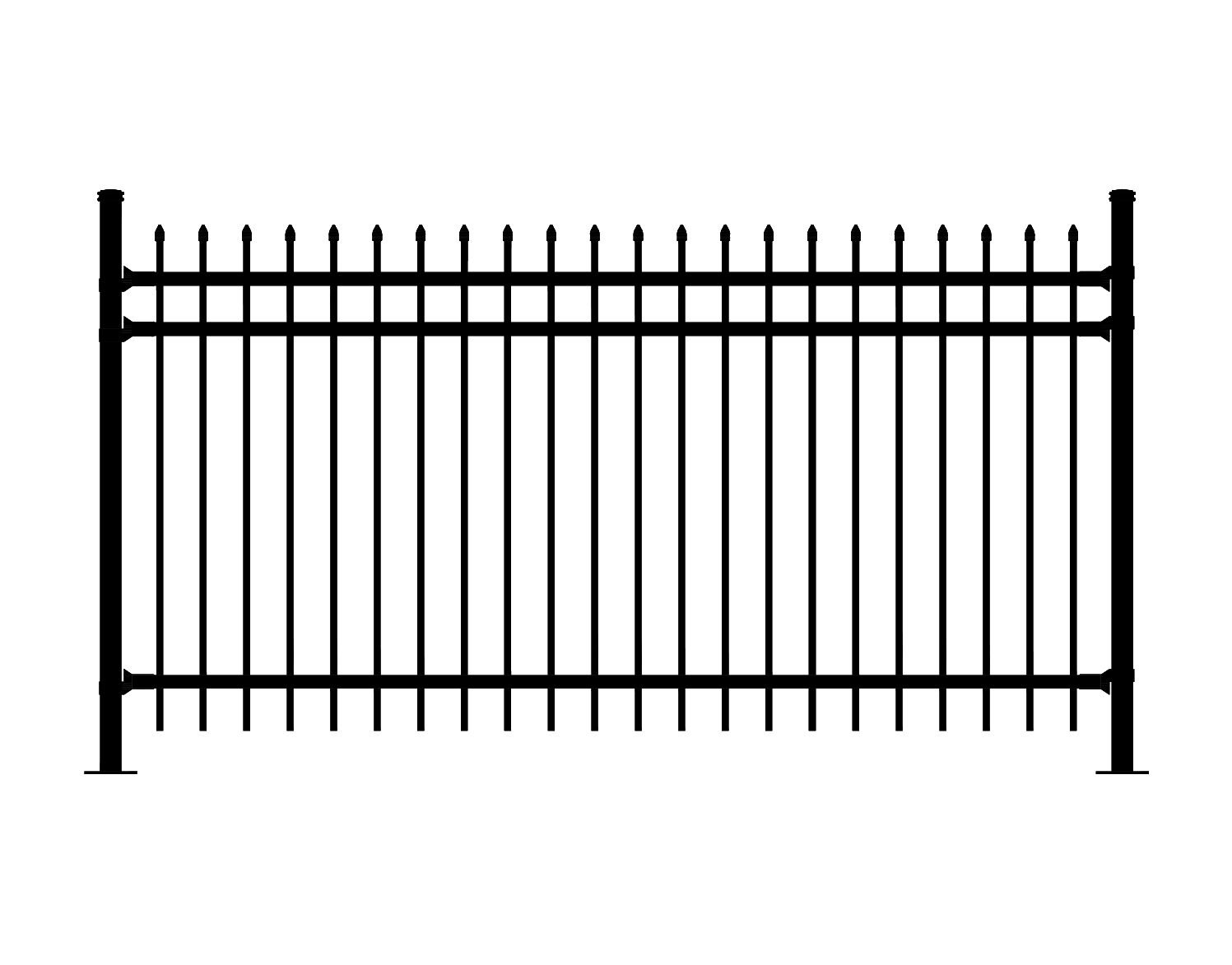
The bottom line is this: pool fencing regulations in Canada are not one-size-fits-all. What passes code in Kelowna might fail in Edmonton. What worked for your Quebec neighbour's pool in 2009 is probably not compliant anymore. Whether you are a homeowner planning a pool project or a contractor pricing out jobs this season, the smartest thing you can do is verify requirements at the municipal level before you order a single panel.
Built for Canadian Conditions
Medallion Fence systems are designed and manufactured in Canada with Armour-Shield™ corrosion protection and a up to 25-year warranty. You can explore the full lineup or request a quote directly.
Explore the Full Lineup