If you have been installing fences across Canadian properties for any length of time, you already know that perfectly flat lots are the exception, not the rule. From the rolling residential yards of the Niagara Escarpment to commercial properties cut into the hillsides of British Columbia, sloped terrain is just part of the job. And the way you handle that slope can make or break both the look and the structural integrity of an aluminum fence installation.
The two primary methods for installing aluminum fencing on a slope are racking and stepping. Both are legitimate approaches, both have their place, and both require a certain level of skill to execute properly. But choosing the wrong one for a given site? That is where callbacks, unhappy clients, and warranty headaches start piling up.
Let us walk through the differences, the practical considerations for Canadian terrain and climate, and the situations where each method truly shines.
What Is Racking?
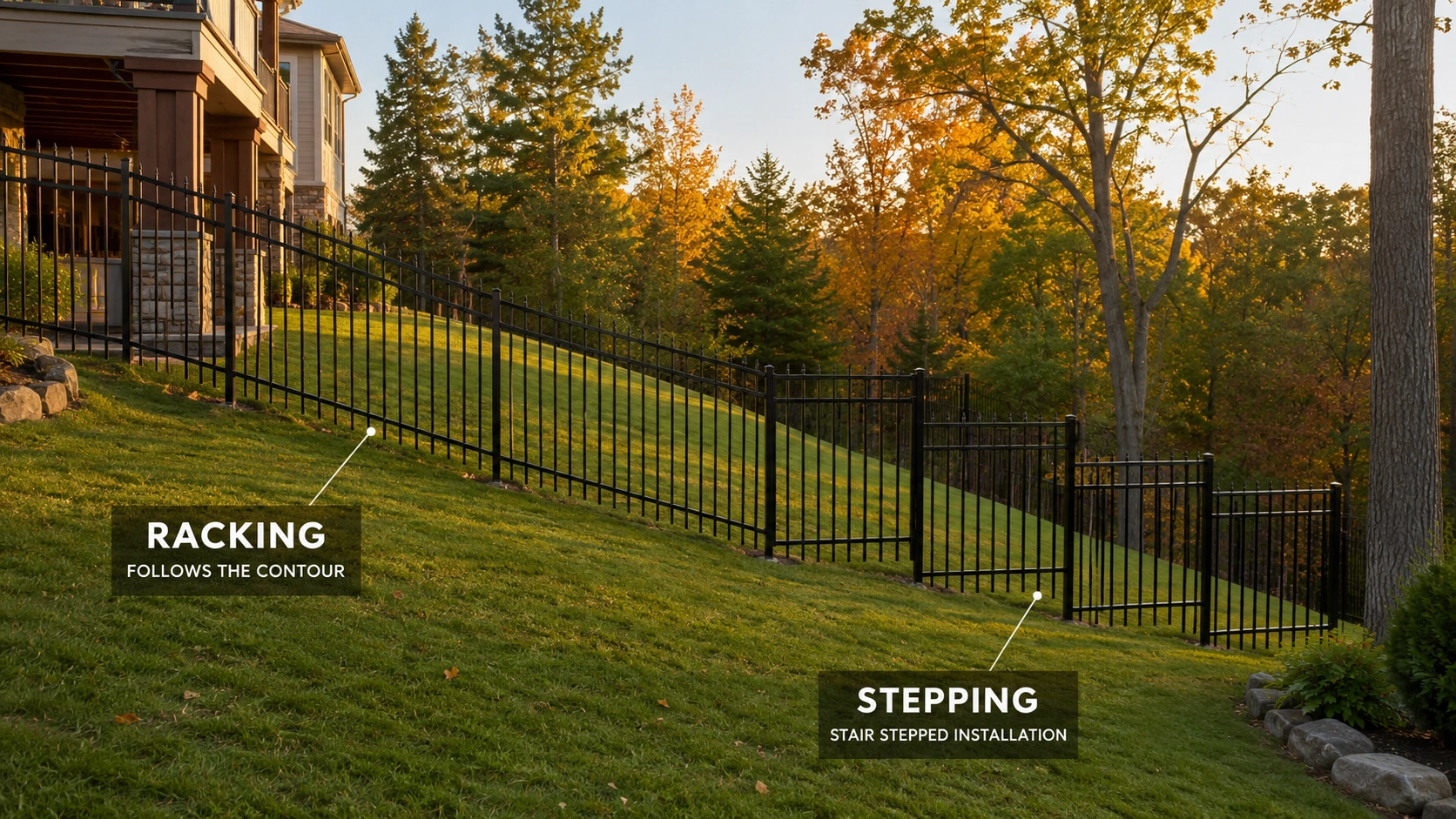
Racking refers to the technique of angling an aluminum fence panel so that its horizontal rails follow the natural slope of the ground. The pickets remain vertical and plumb while the rails tilt at an angle that mirrors the grade. When it is done right, the result is a smooth, continuous fence line that flows naturally with the contour of the land.
The mechanics are straightforward. Most aluminum fence panels are manufactured with small gaps where the pickets pass through the horizontal rails. These gaps give you the ability to flex the panel and adjust the angle before securing the rail ends into the posts. Standard rackable panels typically accommodate slopes of up to about 18 inches of rise per 6-foot section, while heavy rackable or double-punched panels can handle steeper adjustments.
Racking is generally the preferred method for gentle to moderate slopes because it eliminates the triangular gaps at the bottom of each panel that stepping inevitably creates. For residential clients, this matters a lot. Nobody wants their dog squeezing under the fence through a gap they did not expect to be there.
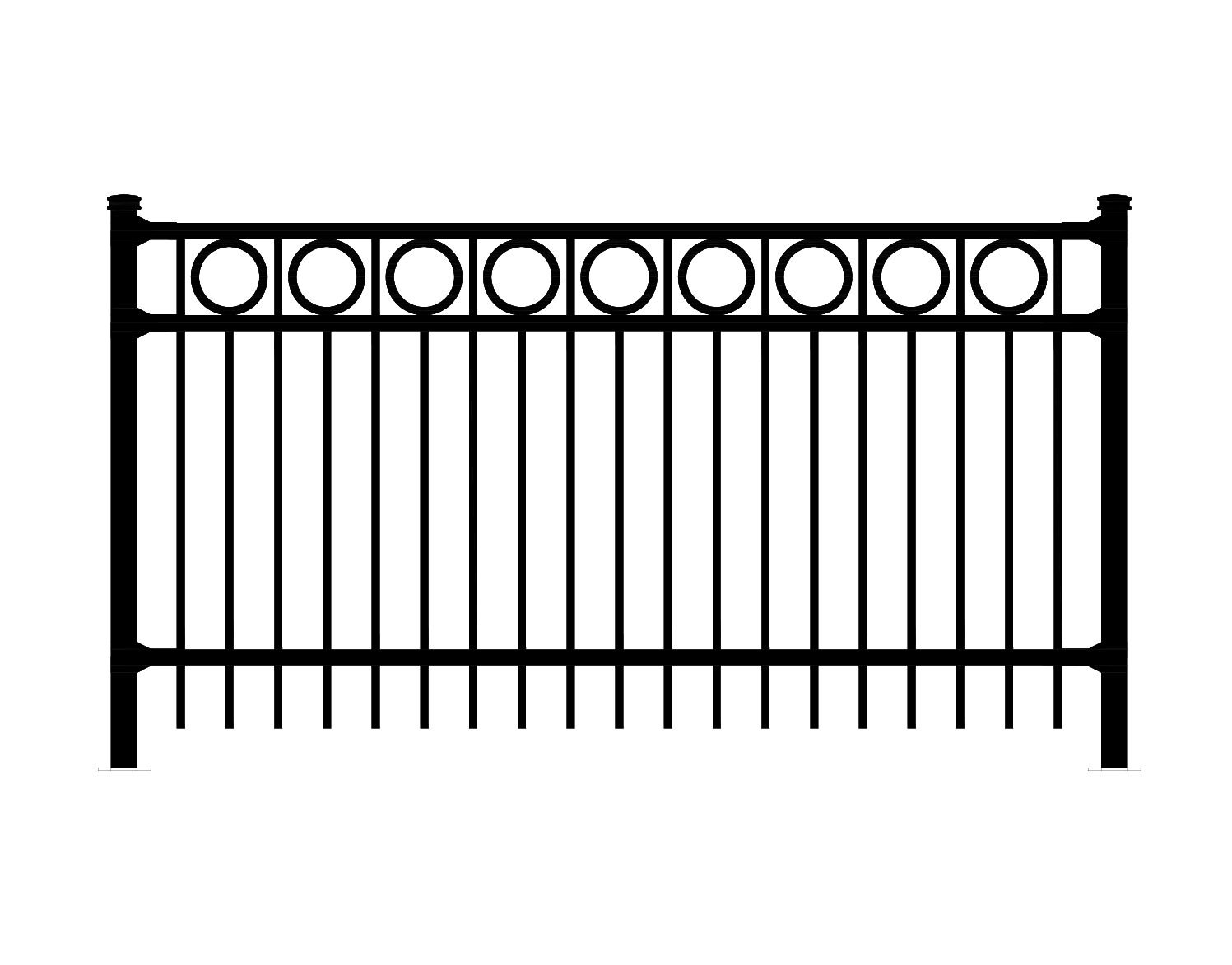
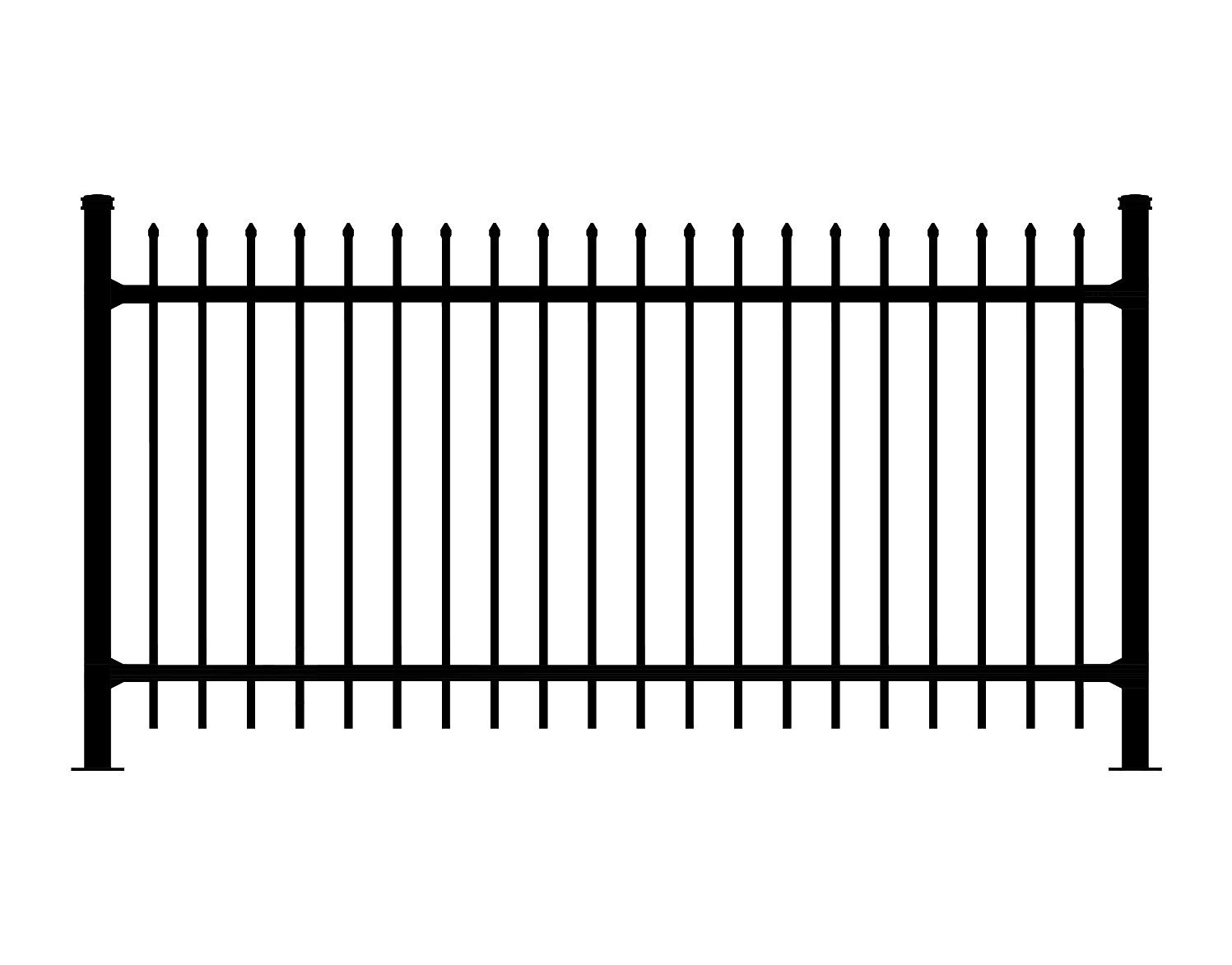
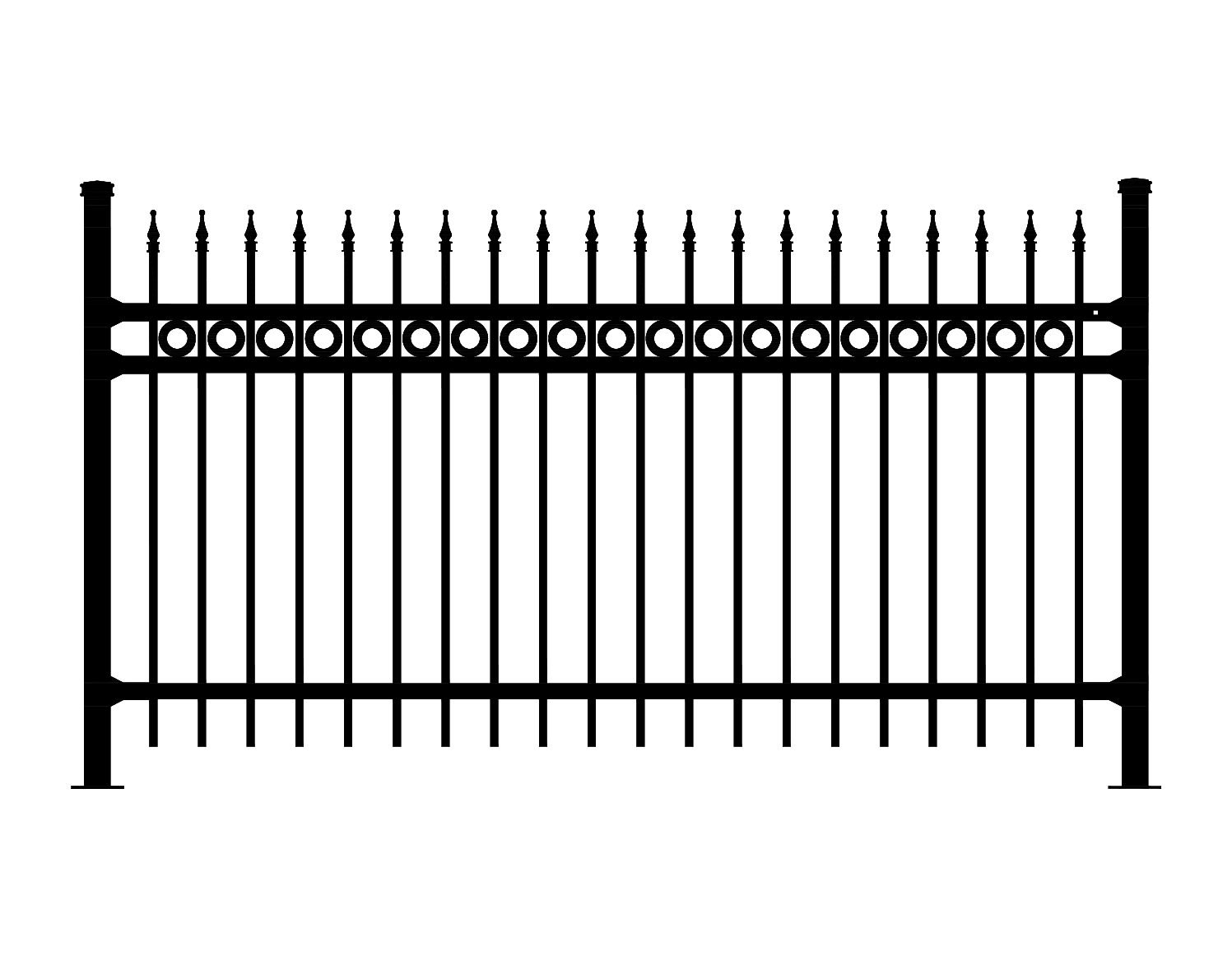
Medallion Fence's Hillcrest™ Series is specifically engineered as a rackable residential line, making it an excellent choice when you are working with sloped terrain on homes and estate properties.
What Is Stepping?
Stepping, sometimes called stair-stepping, takes a different approach entirely. Instead of angling the rails, each panel stays perfectly level, and the fence "steps" down the slope one section at a time. Each post accommodates two panels at slightly different heights, creating a staircase pattern along the fence line.
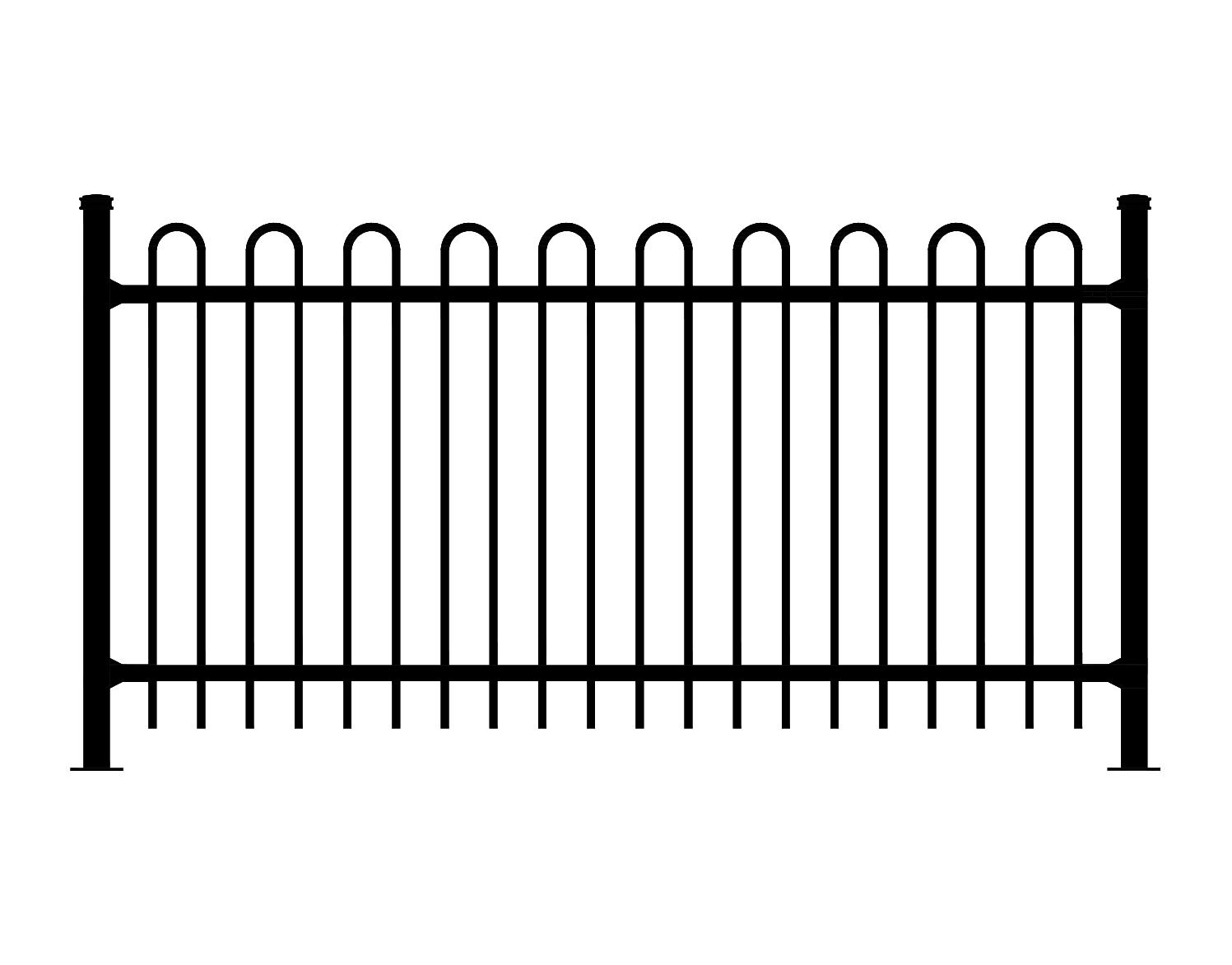
This method is the go-to solution when the terrain is too steep for racking to handle, when local codes require level rails, or when the fence style itself cannot be angled (certain decorative arched-top designs, for example, lose their visual appeal when racked). Stepping is also far more common on large commercial and institutional projects where the grade changes are dramatic and where long, level sight lines between each step create a clean, formal appearance.
The trade-off, as any experienced installer knows, is the gap. Each stepped panel leaves a small triangular opening at the base on the downhill side. On commercial properties, this is often acceptable or can be addressed with grading and landscaping. On residential jobs, though, you will want to discuss this with your client up front so there are no surprises at the final walkthrough.
The Canadian Terrain Factor: Why This Decision Matters More Here
One thing that rarely gets discussed in generic racking vs. stepping articles is how Canadian geography and climate specifically affect this decision. Our terrain is not like a gently graded subdivision in Arizona. Many Canadian properties, particularly in Ontario, Quebec, and the Maritimes, feature short, sharp grade changes within a single lot. You might have 20 feet of flat yard, then a sudden 3-foot drop near a retaining wall or drainage swale, and then flat again.
In situations like these, you often end up combining both methods on a single project. You rack the gentle sections for that seamless look, and you step the panels over the steep transition. Knowing how to blend the two methods on one fence line without it looking like an afterthought is a skill that separates a good installer from a great one.
Then there is frost heave. This is a uniquely Canadian headache that has real implications for sloped fence installations. Frost line depth varies dramatically across the country. In southern Ontario, you are looking at roughly 4 feet (1.2 metres). In the Ottawa Valley, it is closer to 5 to 6 feet. Parts of Manitoba and Saskatchewan can reach 8 feet. The National Building Code of Canada (NBC 2020) requires that footings for permanent structures extend below the maximum frost penetration depth for your region.
On sloped terrain, frost heave becomes even more unpredictable because water runoff patterns concentrate moisture unevenly around post bases. A post that sits at the bottom of a grade is going to see more water accumulation than one at the top. If your post depth is borderline, that lower post is the one that will heave first, throwing off your entire panel alignment. This is especially critical with stepped installations, where even a small amount of post movement becomes immediately visible because of the level rail lines.
For both methods, digging your post holes a minimum of 30 inches deep (and deeper in northern regions) and setting posts in concrete with gravel drainage at the base is not optional in Canada. It is survival.
Choosing the Right Approach for Your Next Project
Here is the practical framework most experienced Canadian contractors use when deciding between racking and stepping:
Racking: The Seamless Choice for Gentle to Moderate Slopes
For gentle to moderate slopes (roughly up to a 12 to 15 degree grade), racking almost always wins. It looks better, eliminates base gaps, and clients love the seamless appearance. On residential projects in particular, racking gives you a cleaner finished product with fewer questions from homeowners.
Products like the Fairmont™ Series from Medallion Fence, with its 5/8" x 5/8" pickets and 1-1/4" x 1-1/4" rails, are well suited for residential and light commercial racking applications.
Stepping: The Structural Solution for Steep Grades
For steep slopes, terraced properties, or commercial/institutional jobs where a formal appearance is required, stepping is the better call. It handles dramatic grade changes that would over-rack a standard panel, and it provides that clean, geometric look that architects and landscape designers often specify for commercial sites.
The Oxford™ Series from Medallion Fence, built at industrial and commercial grade with 1-1/2" x 1-1/2" rails and 1" x 1" pickets on a minimum 2-1/2" x 2-1/2" post, is engineered for exactly these kinds of demanding installations.
What About Municipal Bylaws? A Question Nobody Seems to Answer
This is one of those topics Canadian contractors ask about all the time, and yet it is rarely addressed in fencing content online. The truth is, Canada does not have a single national "fence code." Instead, you are dealing with a patchwork of the National Building Code (a model code that provinces adopt and adapt), provincial building codes, and municipal bylaws that contain the most direct rules about fence height, setbacks, and materials.
Height Restrictions on Sloped Terrain
Here is where it gets tricky with sloped installations: many municipal bylaws measure fence height from the grade on the high side of the slope. If you are stepping a 5-foot fence down a steep hill, the panel at the bottom of the slope might technically be 7 feet above the low-side grade, which could put you in violation of local height restrictions. Always check with your municipality before you start digging. A quick call to the local building department can save you from tearing out finished work.
For projects involving pools, fall protection, or public access points, the building code requirements become even more specific, and that is where a product with proper engineering documentation matters. Medallion Fence provides DWG and PDF spec sheets for all their series, which makes life considerably easier when you need to submit drawings to a building department or satisfy an architect's specification requirements.
The Bottom Line for Installers and Contractors
Racking gives you elegance and continuity on moderate slopes. Stepping gives you structure and adaptability on steep grades. On most Canadian properties, you will need the skill to do both, sometimes on the same job.
The real key is pairing the right method with the right product. Purpose-built rackable panels like the Hillcrest™ Series will save you time and frustration on residential slopes. Heavy-duty commercial lines like the Oxford™ Series give you the structural backbone for stepped installations on institutional and industrial sites.
And above all, respect the frost line. This is Canada. The ground moves, and if your post depth is not accounting for that, no installation method is going to save you from a spring callback.
Need Technical Support?
For technical support, spec sheets, and product selection guidance, visit Medallion Fence or reach out to their team directly at 905-832-2922
Visit Medallion Fence