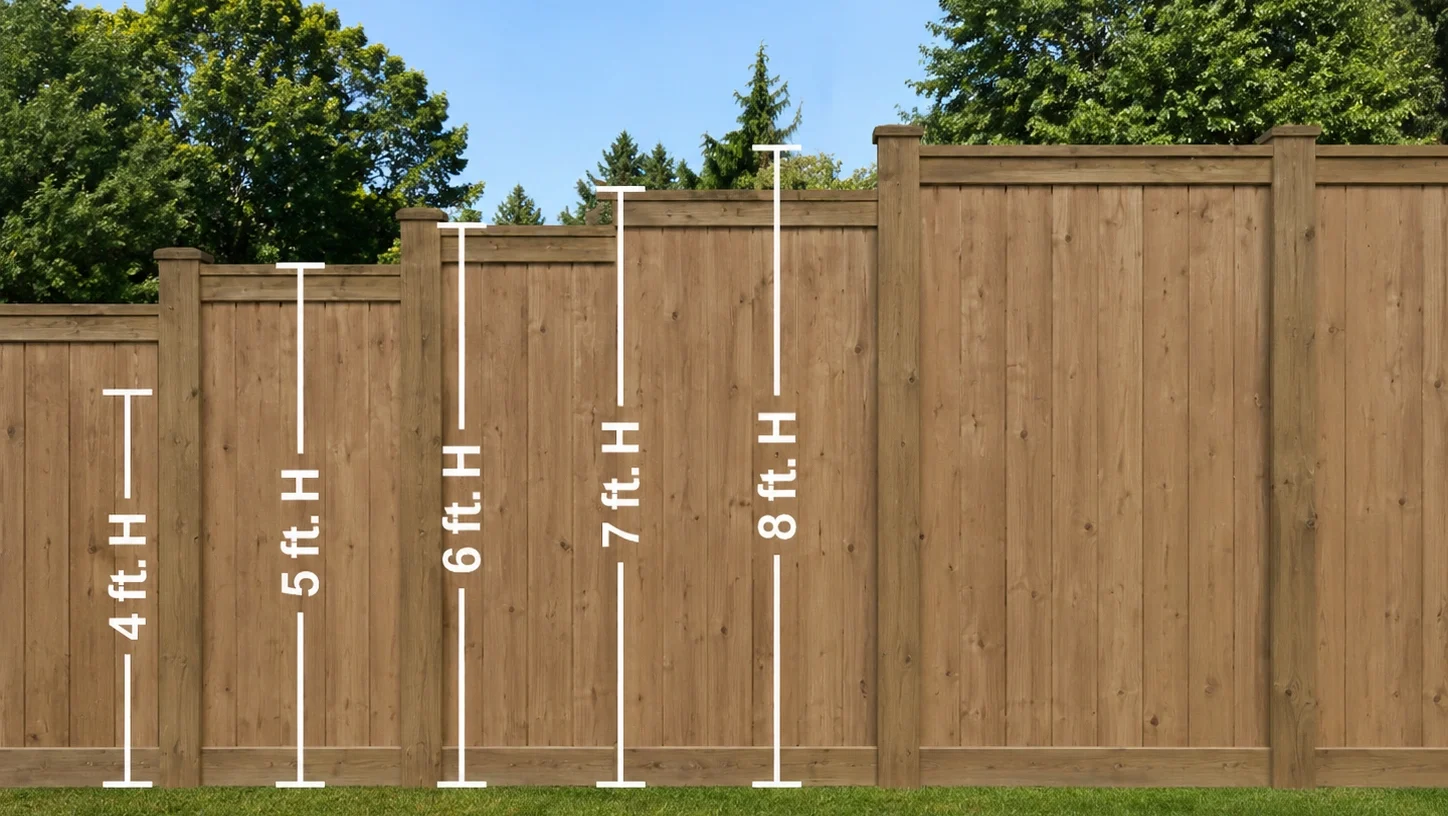
Canadian residential owners are aware that a fence is not just about good appearance. It must be able to withstand snow, ice, moisture, wind and constant freeze-thaw cycles. It must also adhere to the local fence height regulations in Canada, which may differ between cities and even between types of yards. In the example of Toronto, the minimum height of enclosure of single residential buildings is 1.2 metres, and multiple residential and non-residential buildings are 1.8 metres. Calgary usually needs a permit when the fence is more than 1.2 metres in the front yard and more than 2 metres in the backyard, and Vancouver permits fences without a permit when the fence is not more than four feet in the front yard and not more than six feet along the side and back yard.
Why Fence Height Matters More in Canadian Weather
Canada is a snowy nation, according to Environment and Climate Change Canada; 65 per cent of the land mass in the country has over six months of yearly snow cover. The duration of a fence and its performance can be influenced by snow, wind, winter storms, driving rain, and freeze-thaw cycles. That is, the optimal fence material in Canadian weather is not only about appearance but rather the strength, drainage, flexibility, and durability.
The practical side of fence height rules in Canada
No standard height of fences all around Canada. Bylaws are determined by local municipalities, and the safe practice is always to ensure that you check the bylaws of your specific address before you construct. This is of greatest importance in urban and suburban neighbourhoods where privacy, sightlines, and property boundaries must be weighed against safety and compliance.
Why winter makes height planning more important
Higher fences have the ability to capture more wind and more snow, particularly in open yards. During winter, additional pressure may add stress to posts, rails and fasteners. Other significant weather-related hazards that can serve to shorten service life and damage Canadian infrastructure, according to the guidelines, are winter storms, ice storms, driving rain, wind pressure, and varying freeze-thaw cycles.
Best Fence Materials for Canadian Homes
1) Wood fences
Wood is still common due to its warm, traditional, and customisation options. However, during cold and wet weather, wood is susceptible to uptake of moisture, and this expansion and contraction may cause warping in the long term. The wood can also be used by homeowners who desire a natural look, but with cautious sealing, good installation and regular maintenance, they can be kept winter-ready.
2) Vinyl fences
Vinyl is a good choice for homeowners who are interested in low maintenance and a clean appearance. It is usually preferred due to its ease of washing, as it does not require painting and staining. During cold weather, though, installers must take into consideration the movement of heat in order to allow the material to expand and contract accordingly. This is why the vinyl is best installed in winter conditions.
3) Aluminum fences
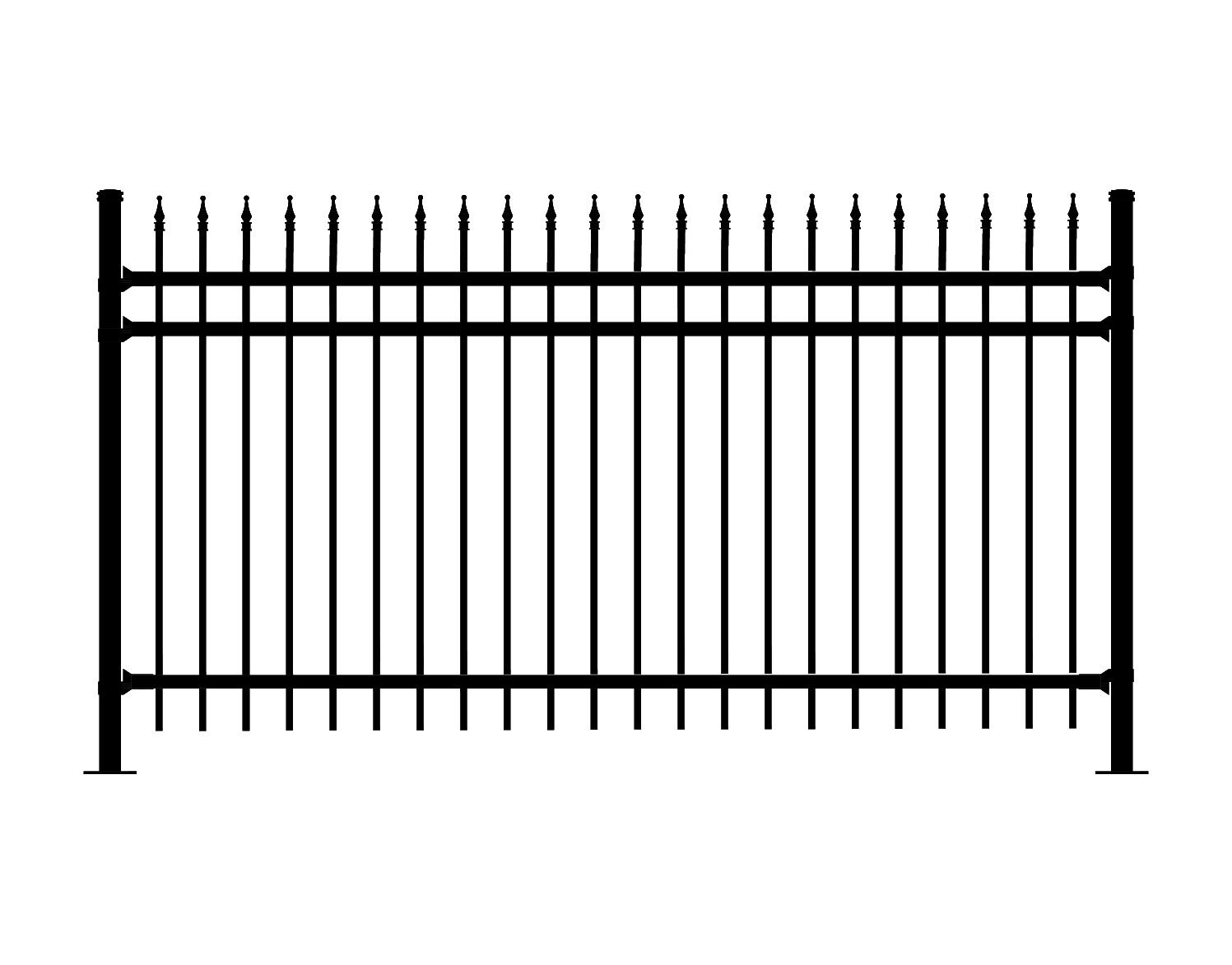
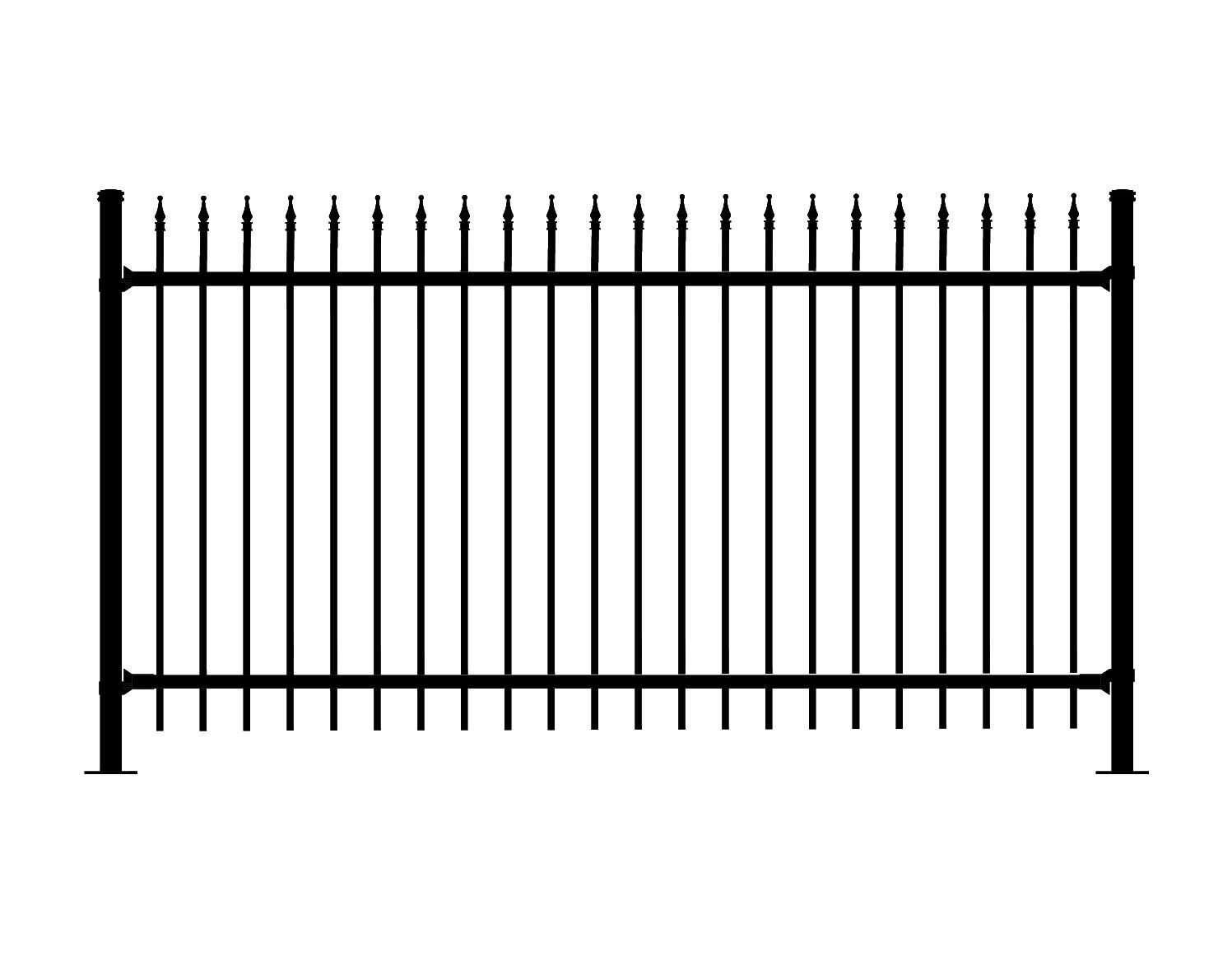
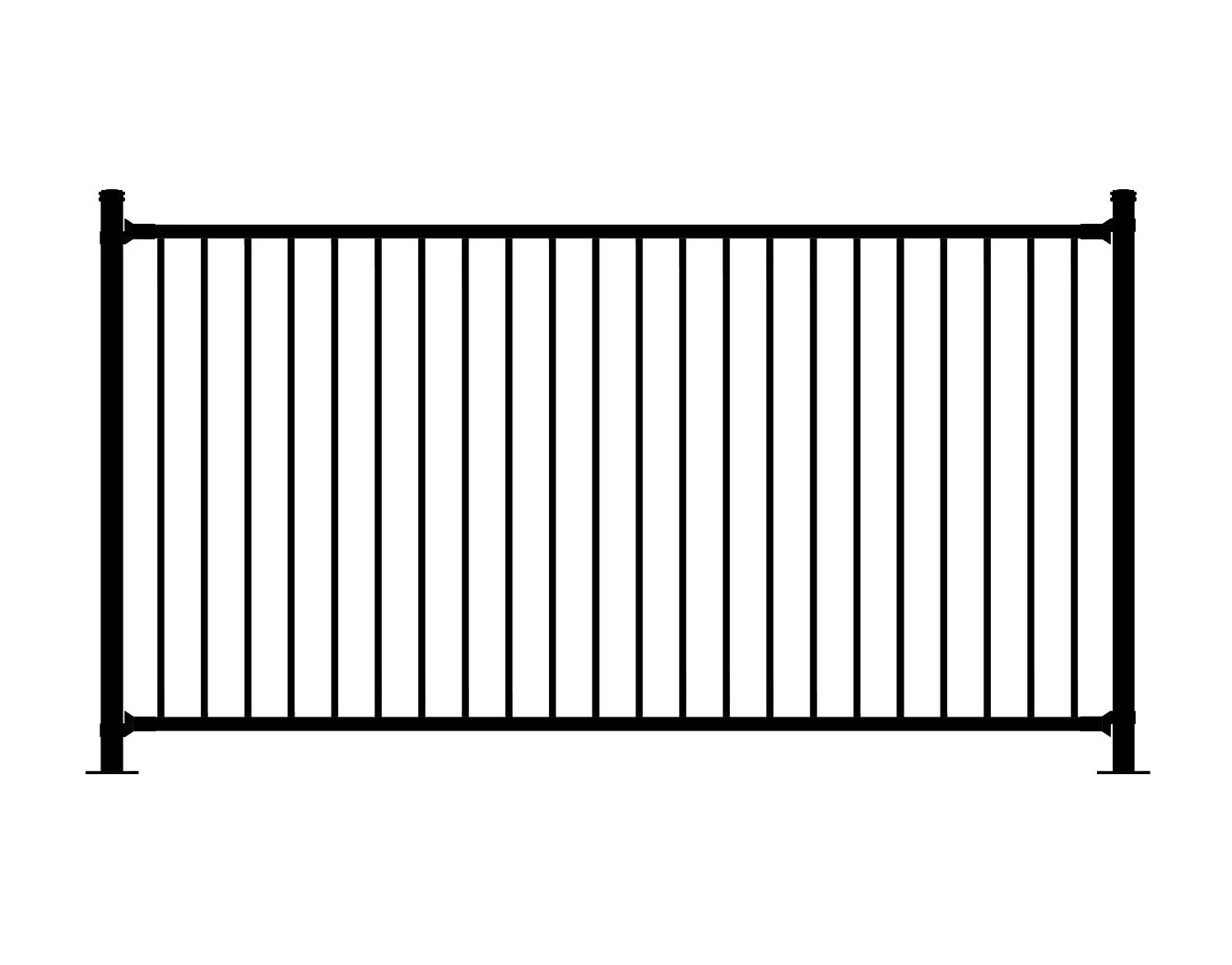
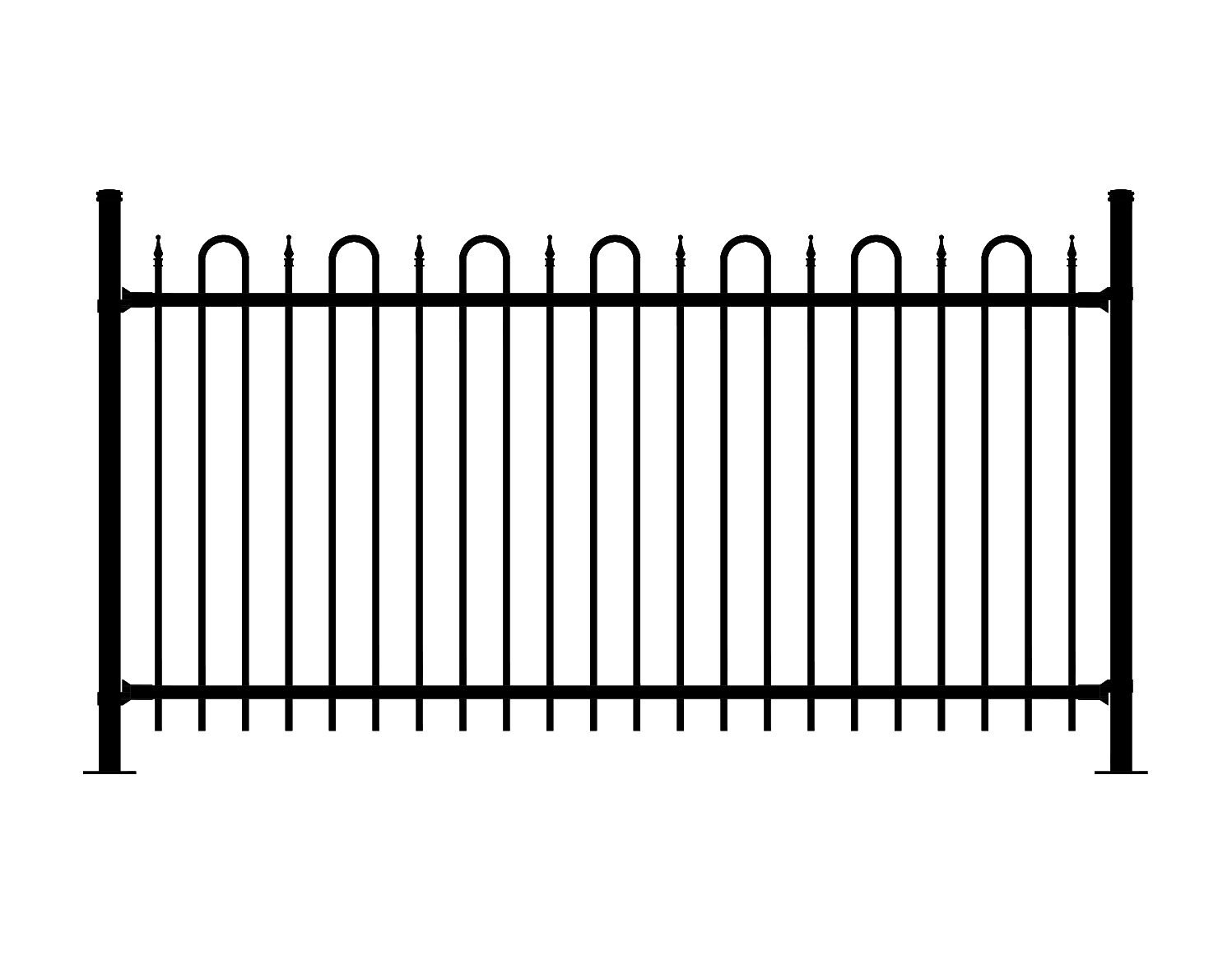
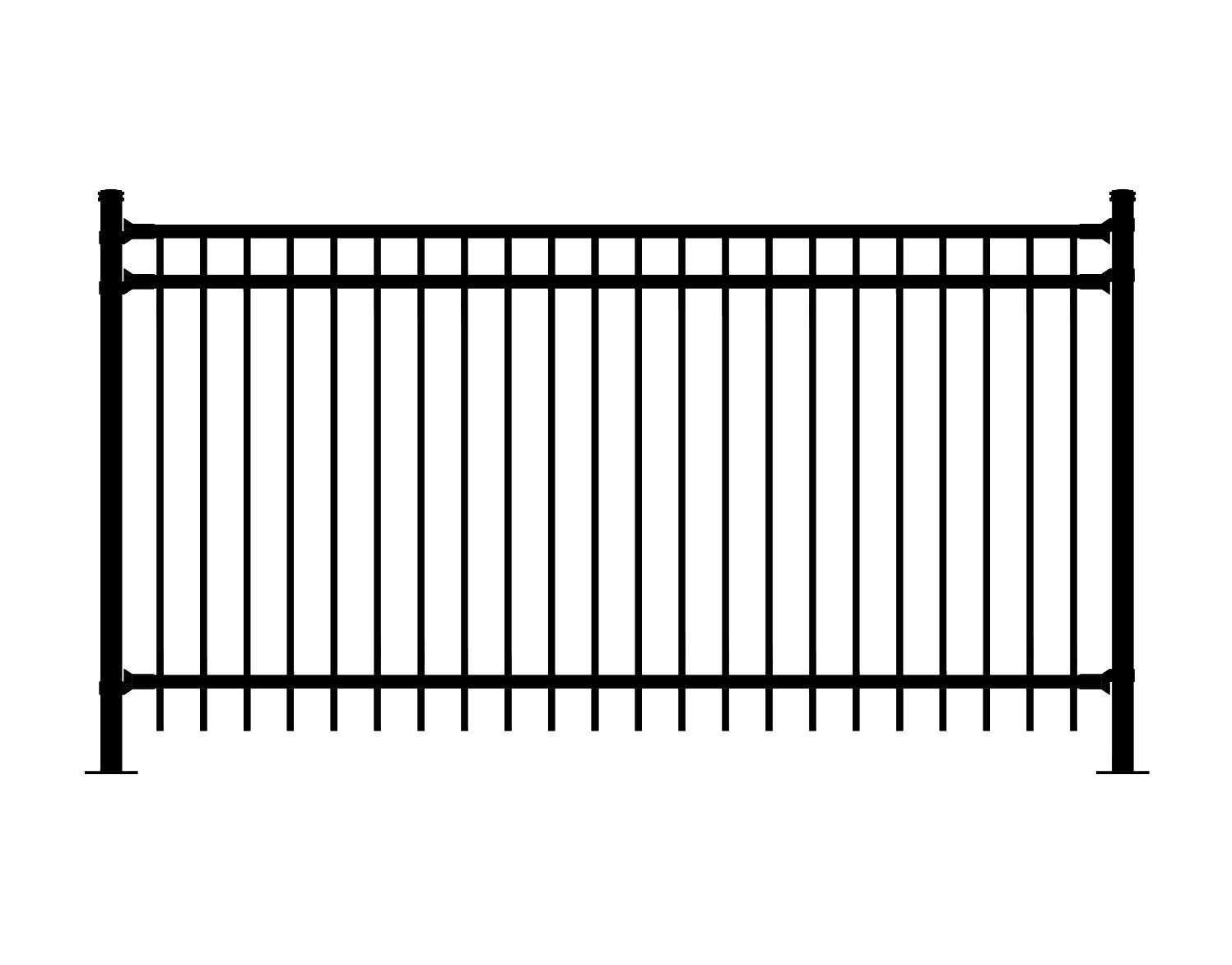
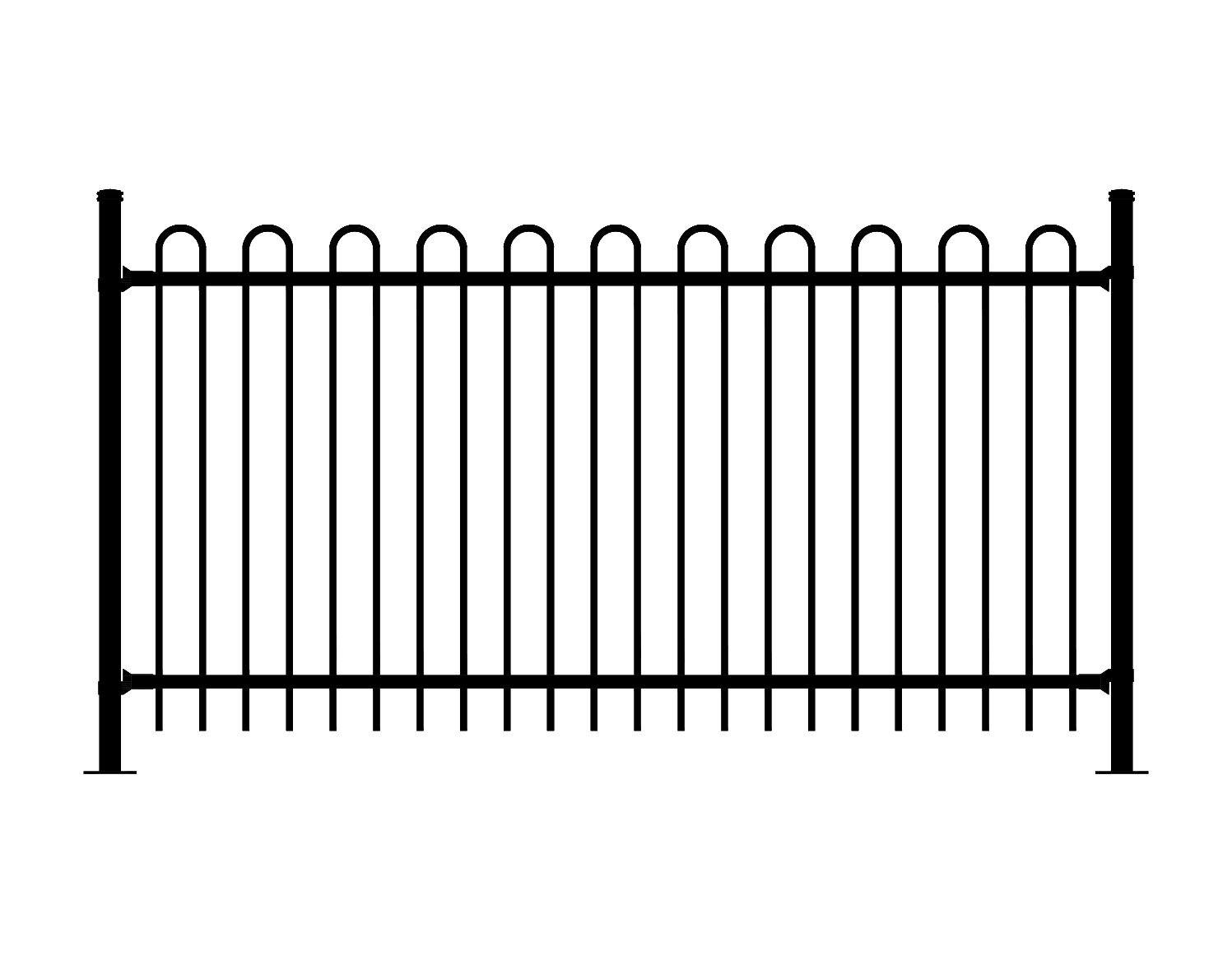
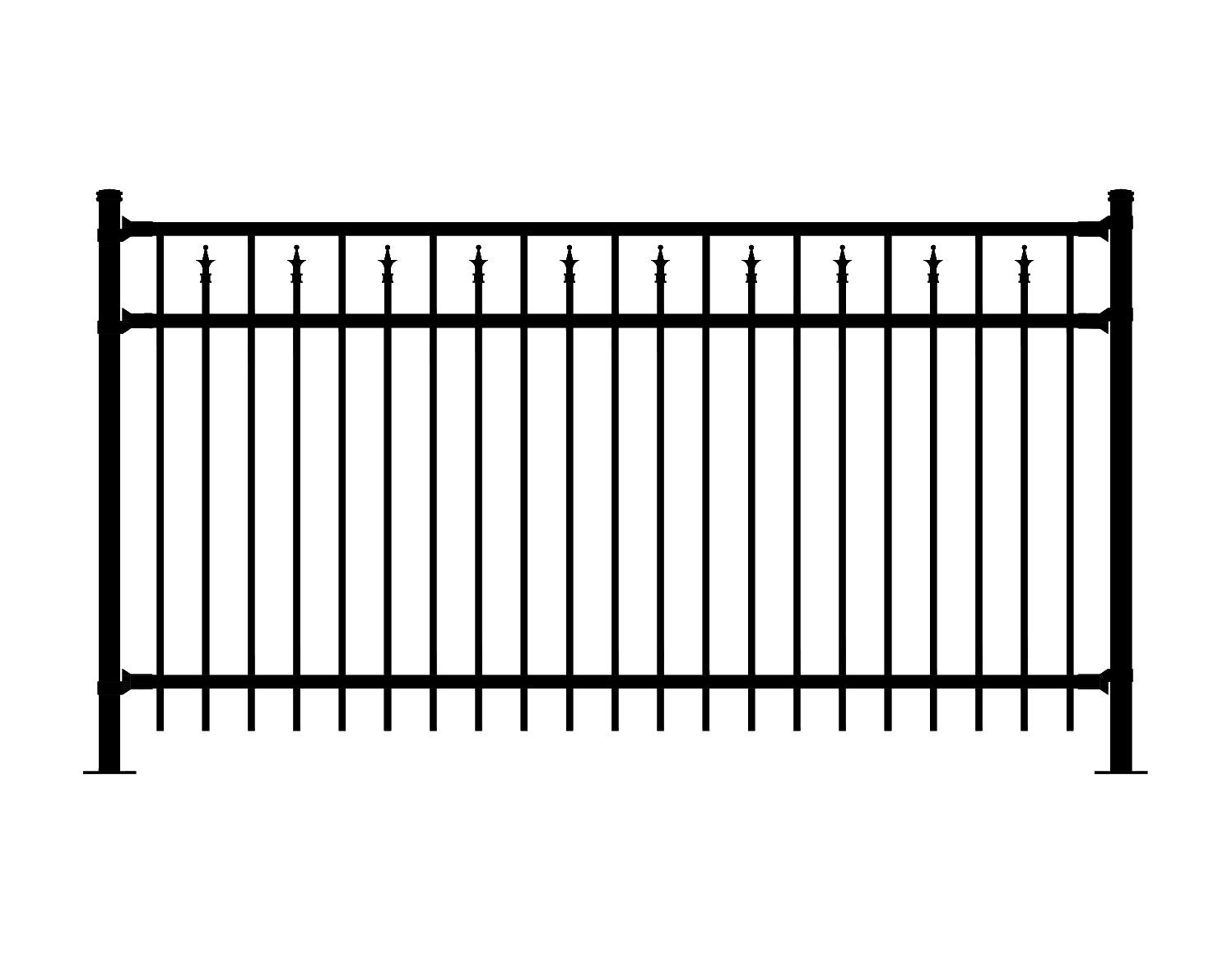
Aluminium is among the surest, strongest, and sturdy fence materials in Canada since it is lightweight, strong and does not rust or corrode. It is also very effective in all climatic conditions and will not break apart, shrink, peel or warp like some other materials. Aluminium is an intelligent winter-proof fencing option for homes where the owners desire a sophisticated appearance with low maintenance.
4) Chain link fences
Chain link is a snow and cold climate practical but low-cost fence. It has an open weave, making it easy to pass through by wind and snow, thus exerting less pressure on the building. It is also characterised as being durable, flexible and resistant to rust and corrosion when galvanised or powder coated. The primary trade-off is privacy, which can be assisted by slats or screening.
5) Composite fences
Composite fencing is a great contemporary option for extreme Canadian weather. The composite materials are very resistant to water, moisture, and UV rays, and they usually require a lot less maintenance compared to wood. Certain composite fence materials are carefully sold as winter-proof and designed to withstand rain, snow, ice, and freezing temperatures without much ado.
Which Material Is Best Overall for Canada?
The expert recommendation
When the objective is a combination of weather resistance, privacy, and low maintenance, composite is the most overall material for most Canadian homeowners. It is particularly attractive to families that desire a powerful fence that appears refined in all four seasons.
When the most important thing is durability over time, a lighter structure and more open design, aluminium is the best alternative. Chain link is a resilient value option in areas with wind exposure, and wood is the best option among homeowners who can afford routine maintenance.
Vinyl is also suitable for low-maintenance curb appeal, assuming it is properly installed to withstand cold climates.
Maintenance Tips for Canadian Weather
Keep the base clear
Long-term exposure to moisture against the material by the snow accumulating around fencing posts can occur. Once there has been a lot of snow, clear the ground around the bottom of the fence to enable the meltwater to drain off easily.
Inspect after freeze-thaw cycles
When temperatures begin to rise and fall, watch out for loose posts, sliding panels or broken screws. Freeze-thaw movement may easily cause deterioration to a section of a fence prior to its becoming evident.
Seal and protect wood early
sealing matters. A wood fence that is well guarded will not readily absorb water, bend, or wear out in wet weather.
Wash vinyl and composite regularly
A mild soap and water wash aids in avoiding grime, salt and moisture accumulation. Composite is particularly low-maintenance, yet it still has the benefit of regular cleaning.
Check fasteners and posts in spring
The entire fence line should be inspected in the spring. Find leaning areas, loose fittings, or post-action once winter weather has subsided. A minor fix now would help avoid a very large issue down the line.
A Simple Winter-Proof Fence Planning Checklist
Confirm your municipal fence height rules in Canada before installation.
Choose a material that suits snow, moisture, and wind exposure.
Match the fence height to your privacy needs and local bylaw limits.
Prioritize strong posts and proper drainage for cold-climate performance.
Schedule seasonal maintenance before and after winter.
Conclusion
The best fence is the one that fits both your property and your climate. In Canada, that means understanding local fence height rules and choosing materials that can handle harsh winters with confidence. A well-planned fence should look attractive, protect your property, and stay strong through snow, rain, freezing temperatures, and wind. For many homeowners, composite offers the best all-around balance, while aluminium, chain link, vinyl, and wood each have their own place depending on style, budget, and maintenance expectations.
Ready to Winter-Proof Your Home?
For expert advice on winter-proof fencing, durable fence materials Canada, and the right fence for snow and cold climates, contact Medallion Fence for professional consultation, installation guidance, and a fence built for Canadian weather.
Contact Medallion FenceCheck out our Fairmont™ Series