


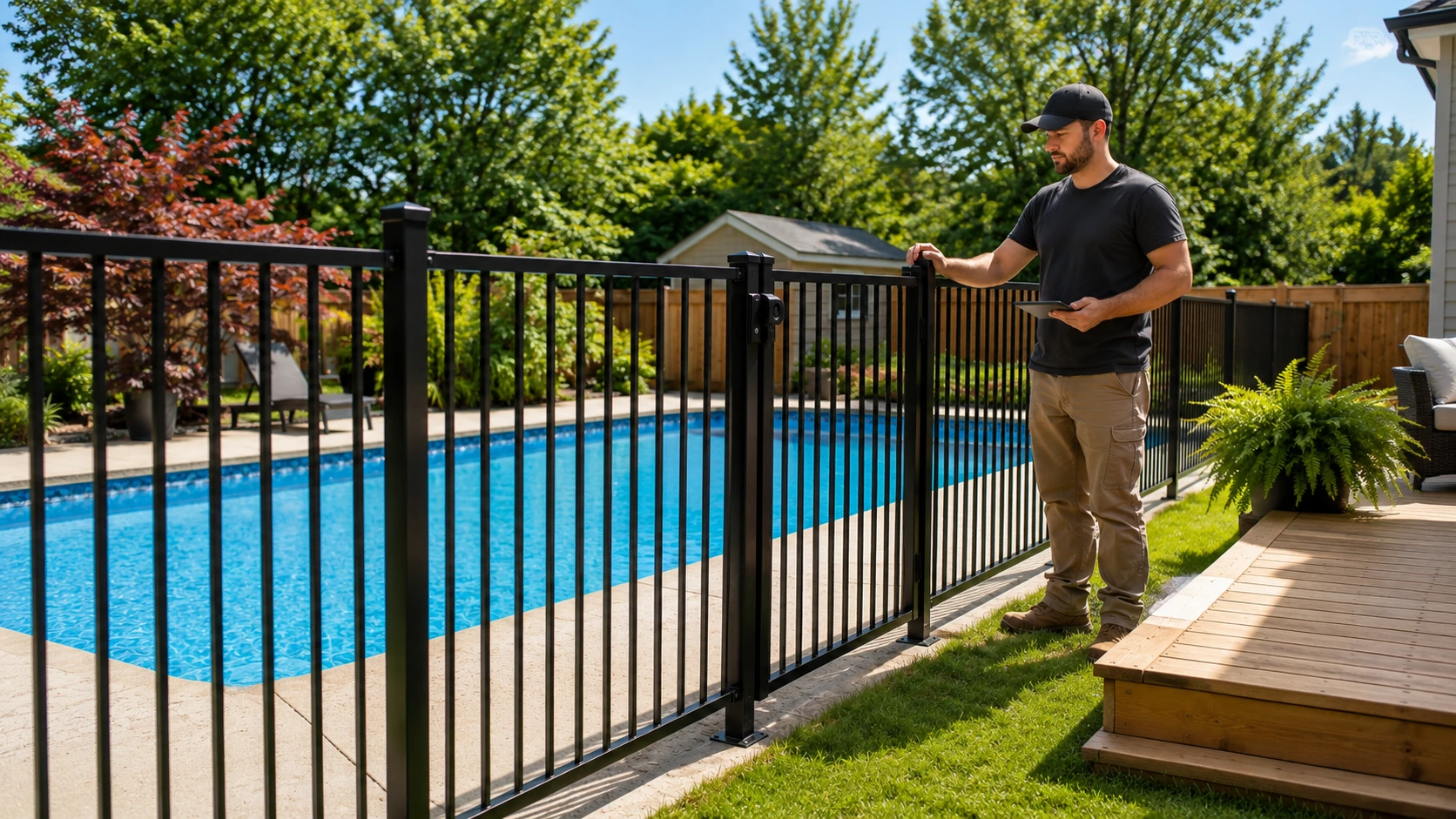
If you have been involved in any pool project across Canada this year, you already know the headaches that come with fencing compliance. The regulations are not uniform. They are not always intuitive. And in some provinces, they have changed significantly in the last twelve months.
I have spent a good chunk of this season fielding calls from both contractors and homeowners who assumed that a 4-foot aluminum fence with a self-latching gate would satisfy code from coast to coast. Sometimes it does. Often it does not. The single biggest mistake I see people make is treating pool fencing like a national standard when, in reality, it is a patchwork of provincial legislation layered with municipal bylaws that can vary drastically from one city to the next.
So let's walk through the major provinces and what they actually require in 2026. And let's address some of the questions that seem to come up constantly but rarely get straight answers.
Ontario
Ontario's pool fence regulations fall under the Ontario Building Code. The provincial baseline calls for a minimum fence height of 1.2 metres (4 feet) around any pool with a water depth of 600 mm or more. Gates need to be self-closing and self-latching, with the latch mechanism placed out of reach of small children.
Here is where it gets tricky for contractors. Municipalities in Ontario can set stricter standards than the province, and many of them do. Toronto bumped the minimum pool fence height to 1.5 metres (5 feet) in its updated bylaw. Hamilton requires the same 1.5-metre minimum under By-law 16-184. London pushes it even further to 1.53 metres. Norfolk County sits at the provincial baseline of 1.2 metres.
The practical takeaway? If you are a contractor quoting jobs across the GTA, you need to verify the local bylaw for every single project. What passes in Mississauga might fail in Brampton. Openings between pickets cannot exceed 100 mm (about 4 inches) in most jurisdictions, and horizontal elements must be placed on the pool side so they cannot be used as a climbing aid.
For residential pool enclosures in Ontario, aluminum fence systems like the Fairmont™ Series from Medallion Fence are a solid choice. With 5/8" x 5/8" pickets and 1-1/4" x 1-1/4" rails, the picket spacing on these panels is designed to meet the sub-100 mm gap requirement out of the box.
Quebec
Quebec has arguably the most aggressive pool fence enforcement in the country right now. The province's Residential Swimming Pool Safety Regulation originally required all pools, including those installed before November 2010, to comply with updated safety standards by September 30, 2025. That deadline was pushed back, and as of 2026, the final compliance date for pre-2010 pools is September 30, 2027.
The technical requirements are specific. Pool enclosures must be a minimum of 1.2 metres (4 feet) high. No opening in the fence can allow a 10 cm sphere to pass through. Horizontal planks, rails, or fixtures that could serve as toeholds for climbing are prohibited. The gate must be self-closing and self-latching, with the latch positioned at least 1.5 metres from the ground if it is on the exterior side. Chain-link fencing is allowed only if the mesh openings are 30 mm or smaller, or if vertical slats are installed to prevent climbing.
One thing that surprises a lot of homeowners: hedges, shrubs, and plant walls do not qualify as a pool enclosure under Quebec law. Full stop. And removable fences are permitted only if they remain in place and in good working order at all times.
Fines for non-compliance start at $500 for a first offence and can reach $5,000 depending on the municipality. If you are a contractor working in the Montreal area or the South Shore, demand for compliant pool fencing is extremely high right now and will only increase as the 2027 deadline approaches.
British Columbia
BC takes a different path. The BC Building Code does not technically mandate fences around all residential pools. However, it does strongly recommend barriers to prevent unauthorized access, and the province's Pool Design Guidelines (updated to Version 3 in April 2025) specify a fence height of 1.5 metres (5 feet) for backyard residential pools.
The bottom of the fence must sit no more than 100 mm above ground level. Gate latches need to be at least 1.4 metres above the ground and installed on the pool side, with the gate swinging outward, away from the pool. And like Quebec, hedges and plants are explicitly not an acceptable substitute for a fence.
Here is the catch for BC contractors: many municipalities, including Vancouver, Surrey, and Kelowna, make pool fencing mandatory through local bylaws even though the provincial code frames it as a guideline. Always check the municipal requirements before quoting or specifying materials.
Alberta
Alberta does not have a specific provincial regulation for residential pool fencing the way Quebec or Ontario does. Enforcement happens almost entirely at the municipal level through city bylaws and the Alberta Safety Codes Act.
And Edmonton's requirements are among the strictest anywhere in the country. Pool fences must be a minimum of 1.8 metres (6 feet) high, measured on the exterior side. Gates must also be 1.8 metres, self-closing, and equipped with a self-latching device positioned at least 1.5 metres above the ground on the pool side. All horizontal and diagonal fence components must face the pool side. No opening can exceed 100 mm. Calgary follows a similar pattern with 1.8-metre minimum height and lockable gates.
For commercial and institutional pool enclosures in Alberta where higher specifications are required, the Oxford™ Series from Medallion Fence is built with 3/4" x 3/4" or 1" x 1" pickets and 1-1/2" x 1-1/2" rails, providing the structural rigidity and height capacity to meet Edmonton and Calgary's stricter bylaws.
Manitoba, Saskatchewan, and Atlantic Canada
Winnipeg, Regina, and Saskatoon typically require 1.5-metre pool enclosures with the same self-closing, self-latching gate requirements you see across the rest of the country. Halifax, Moncton, St. John's, and Charlottetown follow a building-code-plus-bylaw pattern similar to BC, where provincial guidelines set a floor and municipalities fill in the specifics.
If you are working in any of these regions, the same advice applies: call your local building department before you order panels. Provincial law sets the floor. Municipal bylaws add to it.
The Questions Nobody Seems to Answer
Let's get into some of the issues that come up all the time in practice but rarely get addressed in any official guideline.
Can my existing property line fence count as part of the pool enclosure?
In most jurisdictions, yes, it can, but only if that fence meets every single pool enclosure requirement: correct height, no climbable elements, proper gap dimensions, and a compliant gate where applicable. A standard 4-foot cedar privacy fence on your property line probably will not cut it.
Does my hot tub need the same enclosure as a pool?
In Quebec, any spa or hot tub that holds more than 2,000 litres of water is subject to the same fencing requirements as a pool. Spas under 2,000 litres with a rigid, lockable cover that meets ASTM F1346 standards are generally exempt. In other provinces, check your local bylaw because this is one of the most inconsistent areas of regulation across the country.
Can the gate swing inward toward the pool?
No. In virtually every jurisdiction in Canada, pool enclosure gates must swing outward, away from the pool area. This is a detail that gets missed more often than it should, especially on retrofit projects where the existing gate hardware was installed years ago.
What about above-ground pools?
Many homeowners assume that above-ground pools are exempt from fencing requirements. That is generally not the case. Most provinces treat above-ground pools with a water depth of 600 mm (about 24 inches) or more the same as in-ground pools when it comes to enclosure requirements. In Quebec, above-ground pools with walls at least 1.2 metres high and a removable ladder with a self-closing safety gate may be exempt from additional fencing, but the access point still needs to be secured.
Choosing the Right Fence System for Pool Compliance
For contractors and architects specifying pool fencing, the material matters. Aluminum is the go-to choice for most pool enclosures across Canada for good reason: it resists corrosion from chlorinated water and pool chemicals, holds up through freeze-thaw cycles, requires virtually zero maintenance, and can be configured with vertical pickets that eliminate any climbing risk.
The Wellington™ Series from Medallion Fence, with its 3/4" x 3/4" pickets, offers a slightly heavier residential or estate-grade profile for projects that need a more refined look without stepping into full commercial territory.
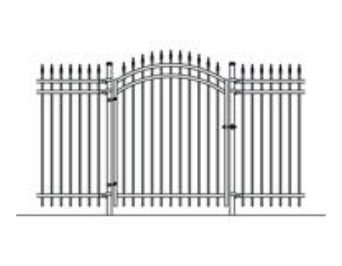
The gate is every bit as important as the panels themselves. Self-closing hinges and self-latching hardware are non-negotiable in every province. Medallion Fence offers Custom Gates in arched and flat-top configurations that can be fitted with compliant hardware and matched to the style of your fence panels, whether you are using Fairmont™, Wellington™, or Oxford™.
Related Products
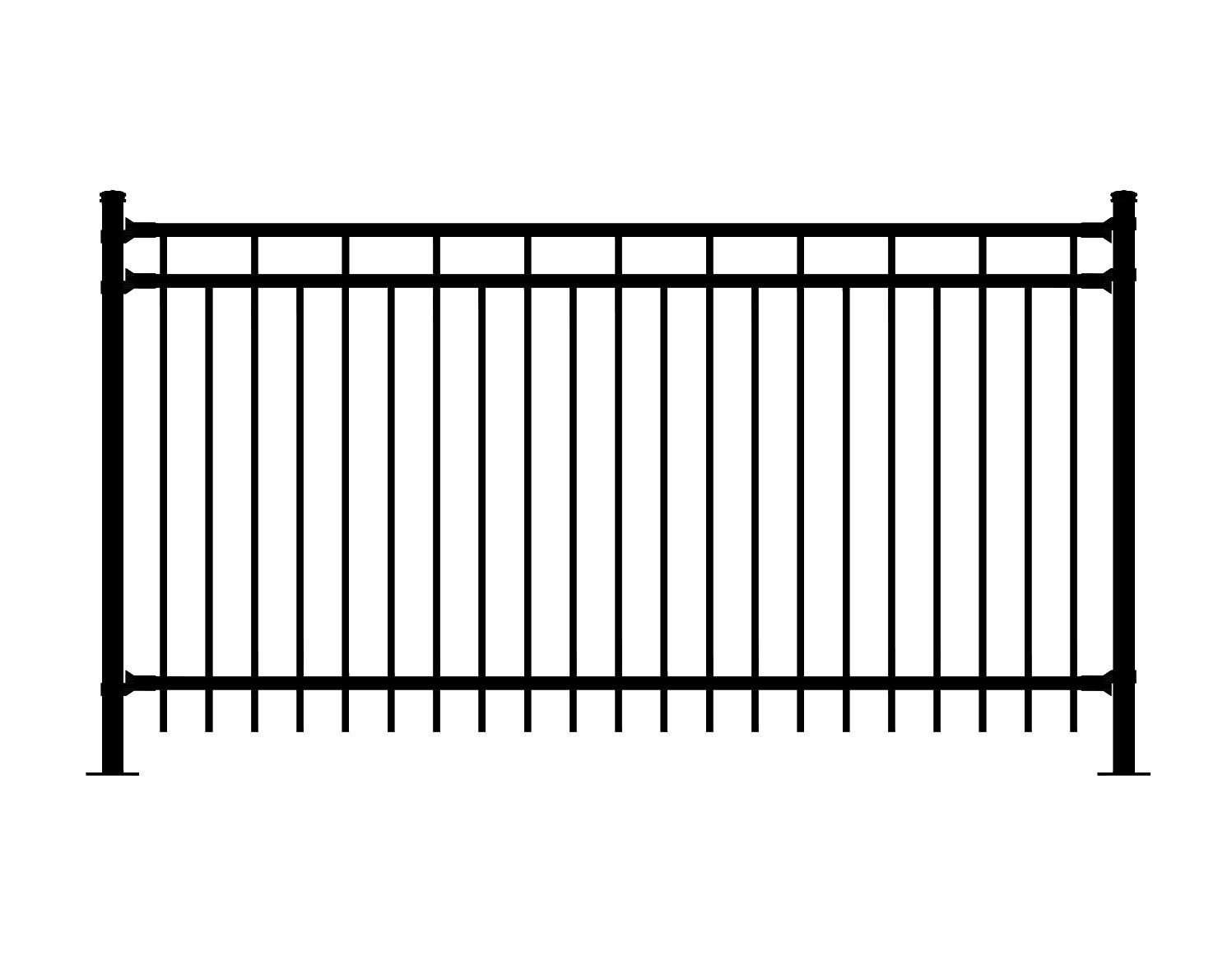
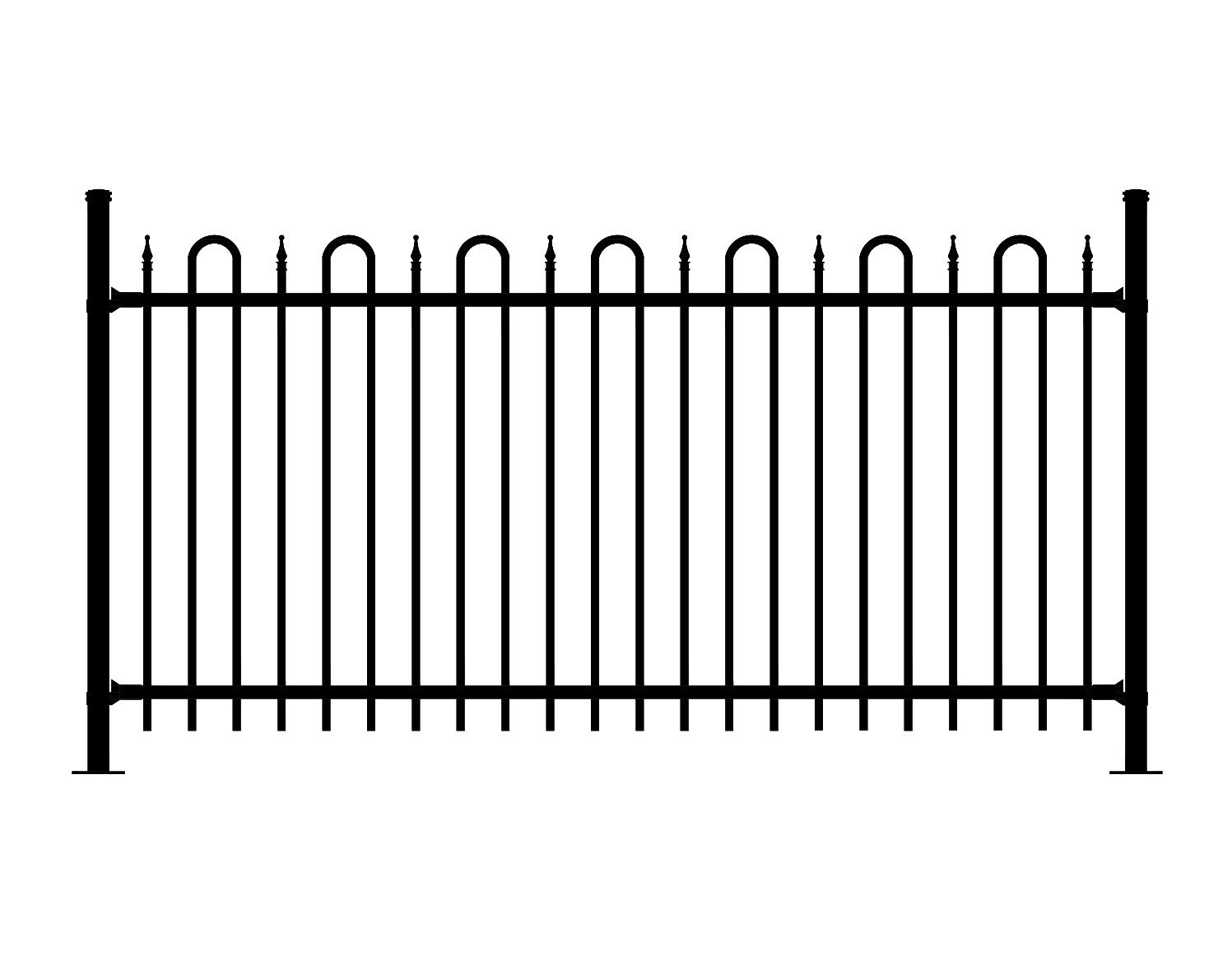
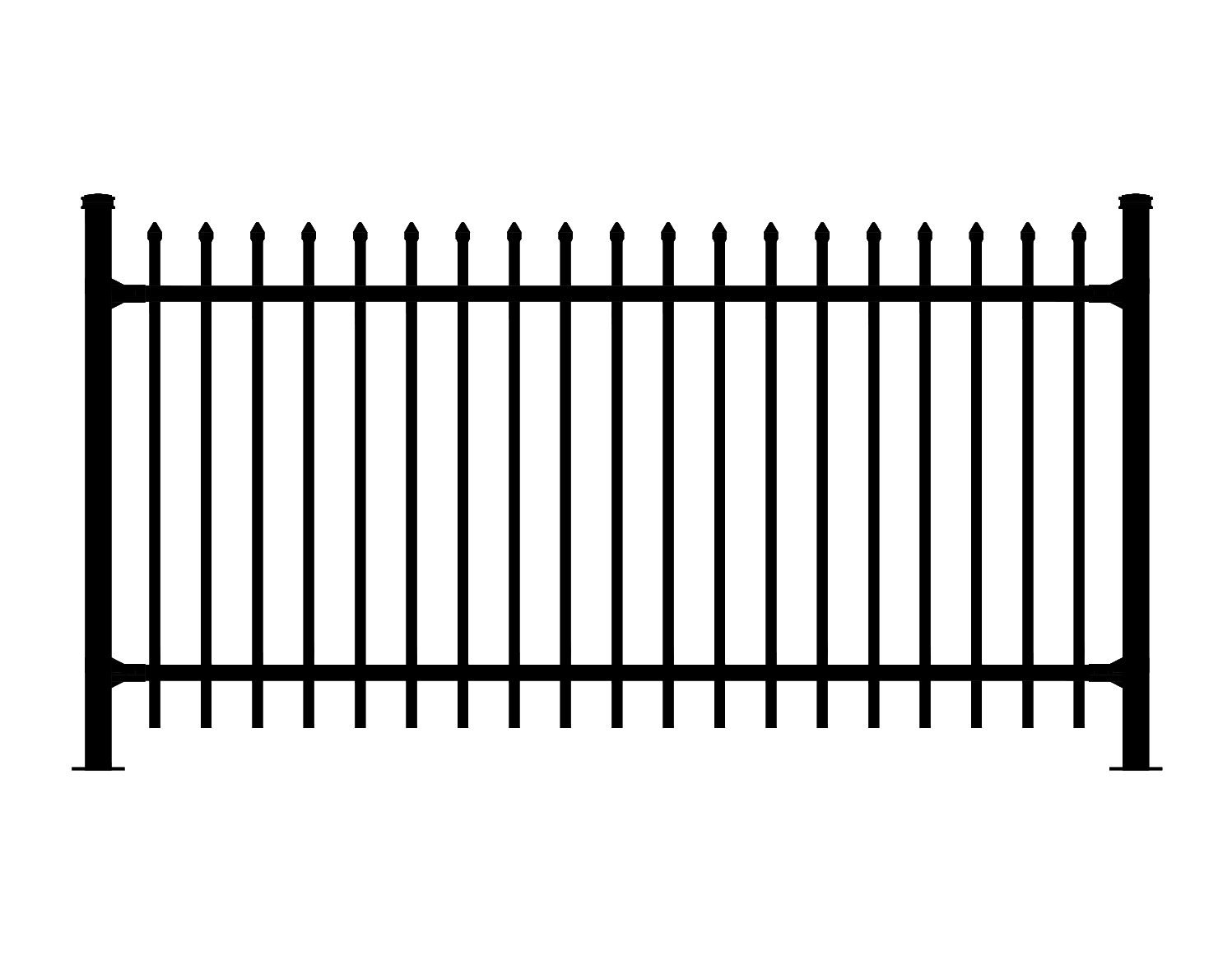
Final Thoughts
Pool fencing regulations in Canada are not one-size-fits-all. What passes code in Kelowna might fail in Edmonton. What worked for a Quebec homeowner's pool in 2009 is almost certainly not compliant anymore. Whether you are a homeowner planning a backyard pool or a contractor pricing jobs this season, the smartest thing you can do is verify requirements at the municipal level before you order a single panel. The fines are real, the liability is significant, and the safety stakes could not be higher.
Need Help Specifying Compliant Pool Fencing?
Contact our team to verify local requirements and get the right fence system for your project.
Contact Medallion Fence