
Canadian homeowners know that a fence has to do much more than look good. It must stand up to snow, freezing rain, strong winds, moisture, and repeated temperature changes throughout the year. In many parts of Canada, a fence can face heavy winter loads in January and intense sun or rain by summer. That is why choosing the best fence material for Canadian weather is such an important decision.
A fence is a long-term investment in privacy, safety, curb appeal, and property value. The right choice can save you time, money, and frustration over the years. The wrong choice, however, may warp, crack, rust, or require constant repairs.
Understanding Canadian Weather Challenges
Canadian weather is tough on outdoor structures. Fence posts, panels, and fasteners must endure a wide range of conditions all year long.
Heavy Snow and Ice
Snow can pile up against fence lines and create pressure on panels and posts. Ice can also cause expansion and movement, which may weaken some materials over time.
Freezing Temperatures
When temperatures drop sharply, some materials become brittle and more likely to crack. Repeated freeze-thaw cycles can also affect the strength of certain fence types.
Rain and Moisture
Moisture is one of the biggest threats to fencing. It can lead to rot, mold, swelling, corrosion, and structural damage if the material is not properly protected.
Strong Winds
Many Canadian neighborhoods, especially open suburban areas, experience strong winds during fall and winter. A fence for snow and cold climates should be able to resist wind pressure without bending or loosening.
Comparing Popular Fence Materials for Canada
To choose from the best durable fence materials Canada homeowners can rely on, it helps to compare the main options side by side.
Wood Fencing
Wood is a classic choice that many homeowners love for its natural beauty and timeless appeal.
Pros: Wood offers a warm, traditional look and can be customized with paint or stain. It also works well for privacy fencing and blends nicely with natural surroundings.
Cons: Wood is vulnerable to moisture, snow, rot, warping, and splitting. In Canadian weather, it needs regular sealing, staining, and inspection to stay in good shape. If maintenance is delayed, wood fences may deteriorate faster than other options.
Best For: Homeowners who want a natural look and do not mind regular upkeep.
Vinyl Fencing
Vinyl has become one of the most popular options for modern homes because it requires very little maintenance.
Pros: Vinyl does not rot, rust, or absorb moisture. It holds up well in snow and rain and is easy to clean. For many homeowners, it is one of the most practical choices for winter-proof fencing.
Cons: Low-quality vinyl can become brittle in very cold temperatures. While good-quality vinyl performs much better, impact from heavy snow, falling branches, or rough handling may still cause damage.
Best For: Homeowners looking for a low-maintenance, clean, and modern fencing solution.
Aluminum Fencing
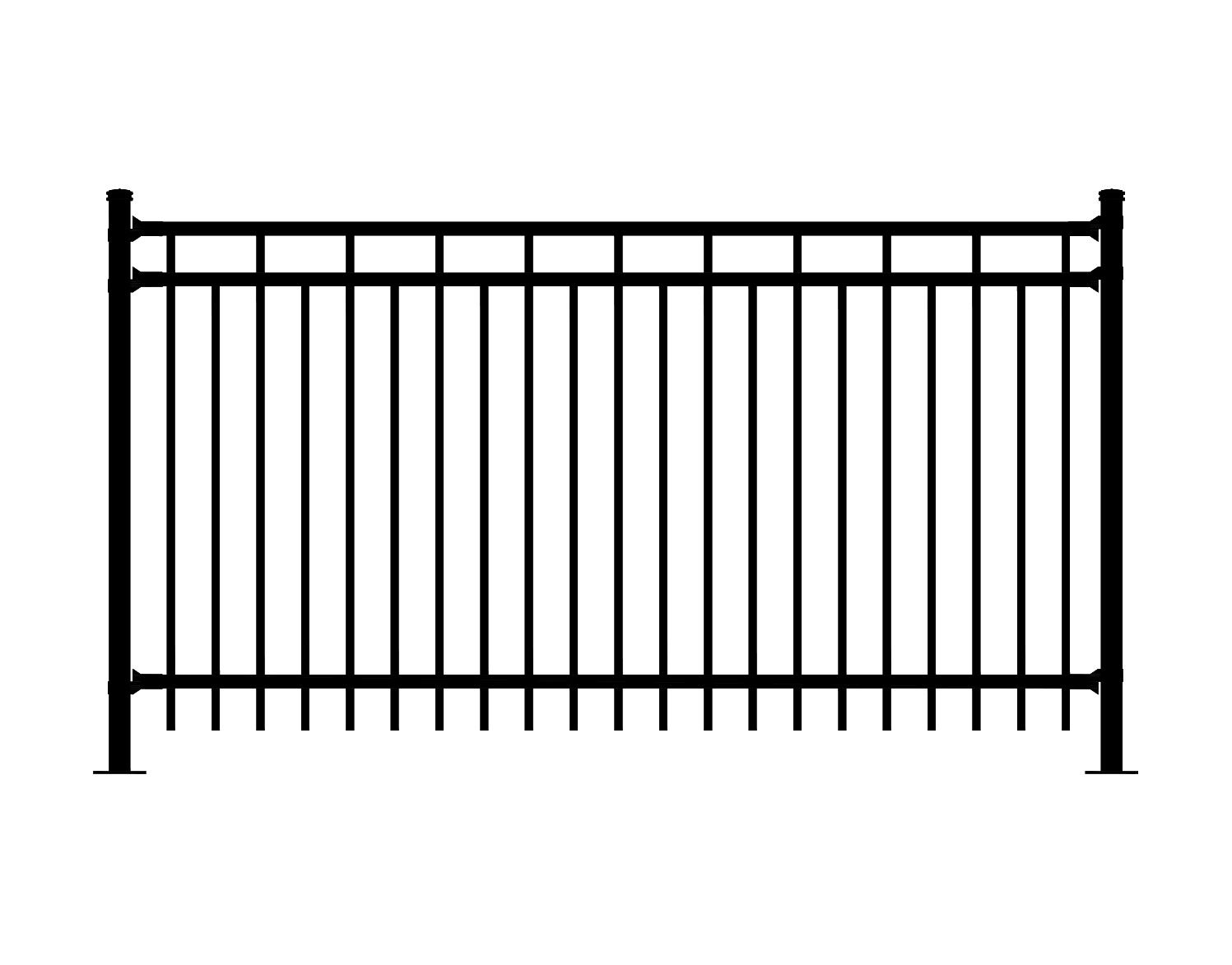
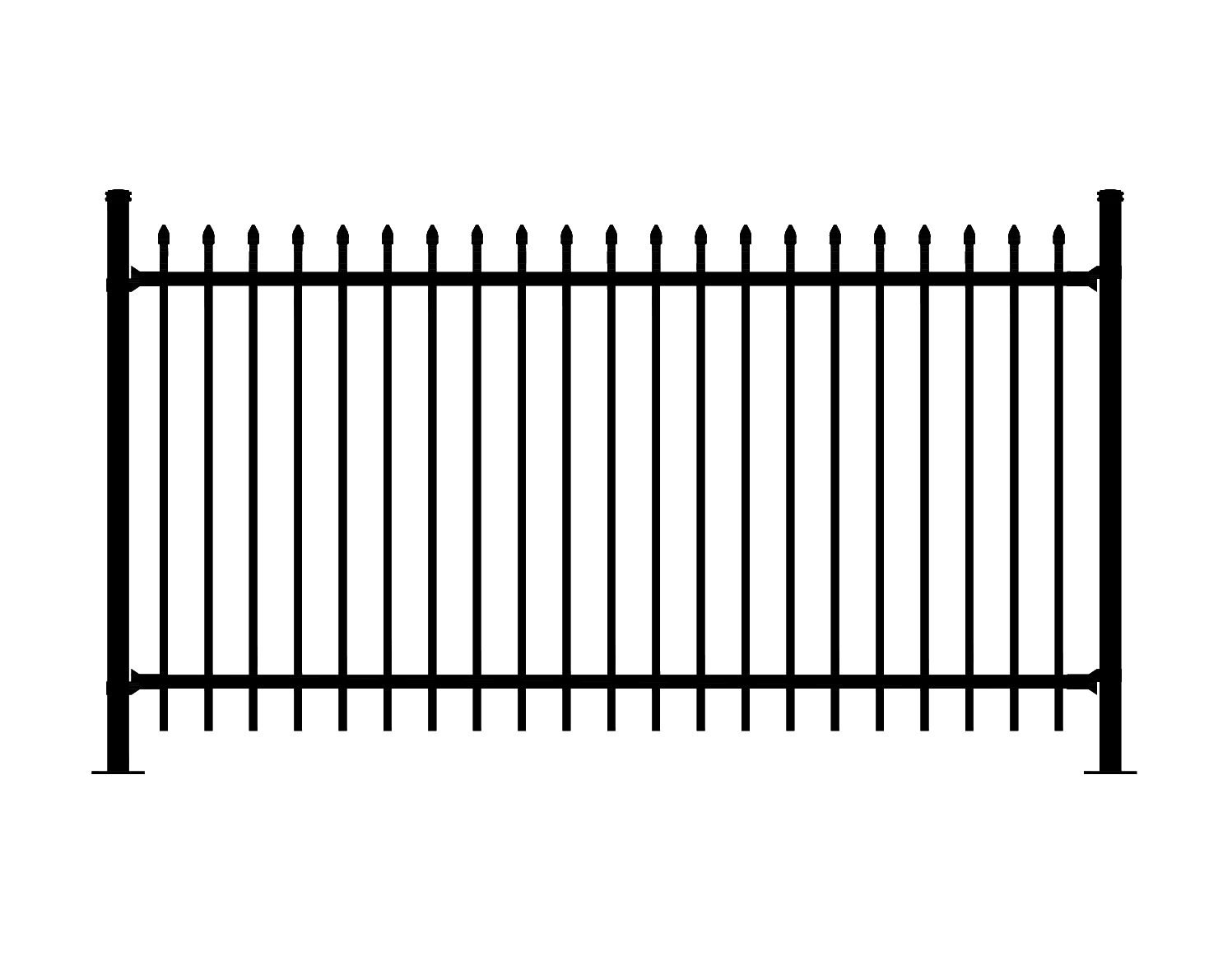
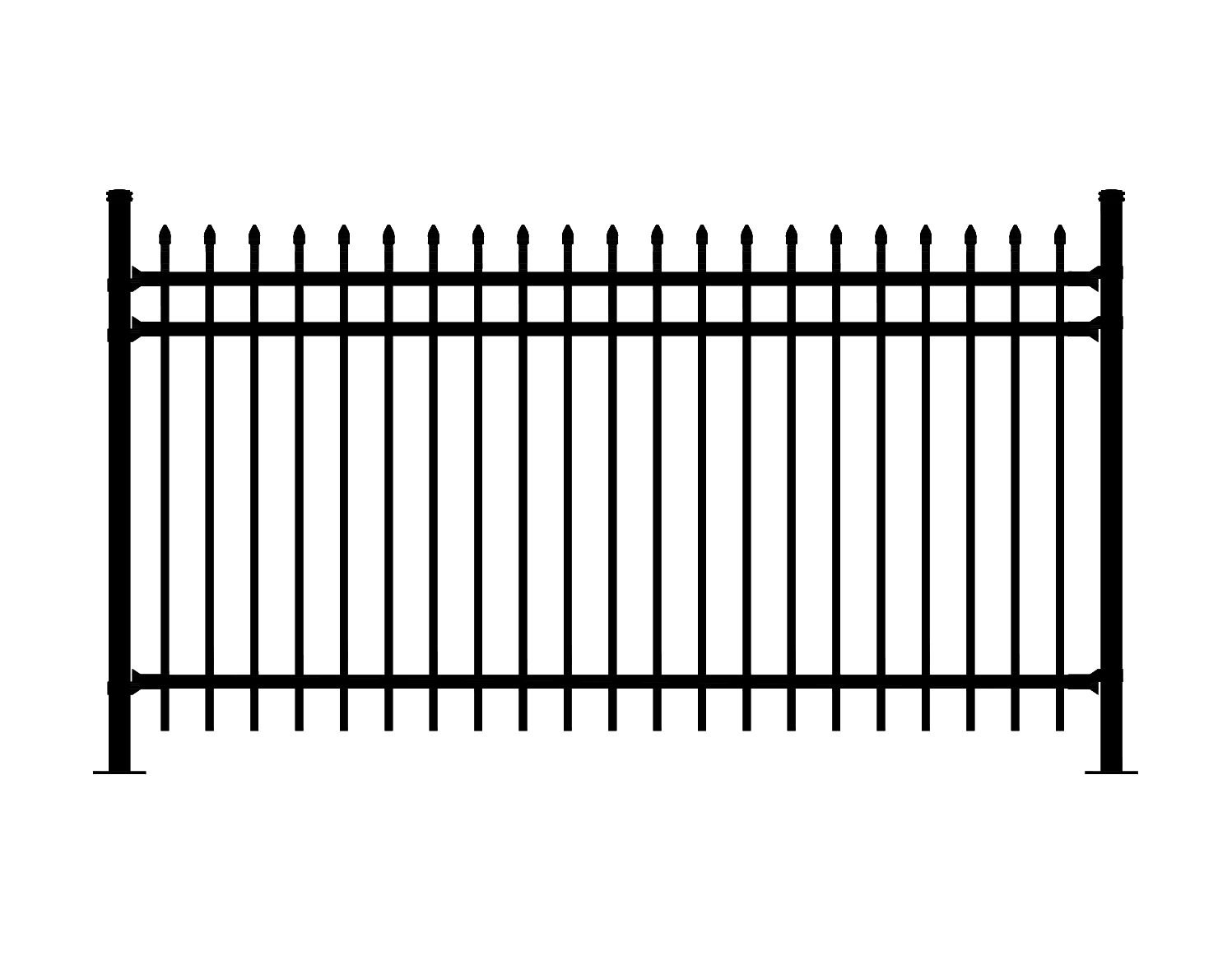
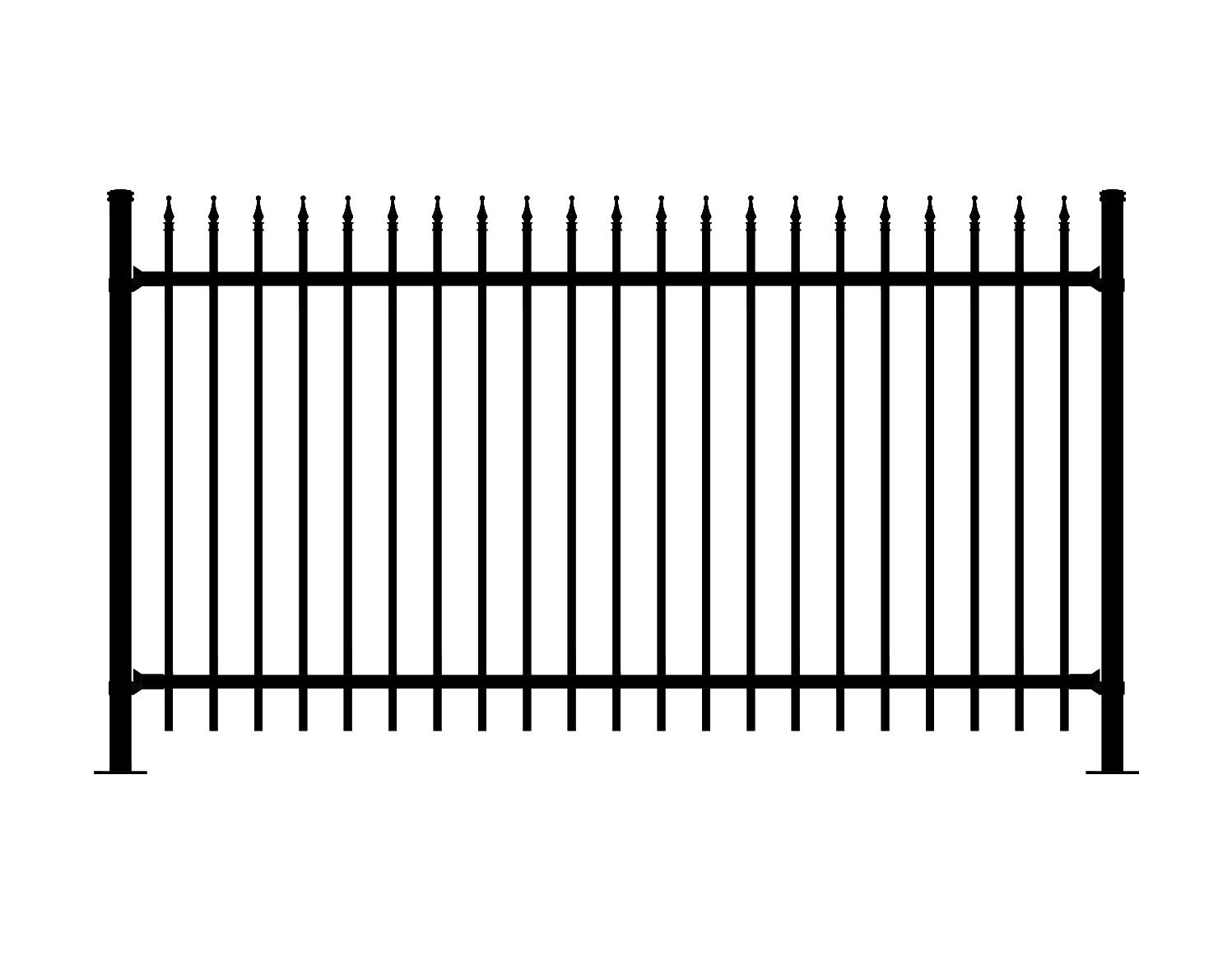
Aluminum is a strong and lightweight option that performs well in harsh weather.
Pros: It is resistant to rust and corrosion, which makes it ideal for wet and snowy climates. Aluminum fences are also durable, stylish, and relatively easy to maintain. They work especially well in areas where drainage and moisture are concerns.
Cons: Aluminum does not provide full privacy unless paired with other design elements. It is also less effective for sound reduction than solid fencing materials.
Best For: Homeowners who want a long-lasting, attractive fence with minimal weather-related wear.
Chain Link Fencing
Chain link is a practical and budget-friendly option commonly used for backyards, side yards, and utility areas.
Pros: It is strong, affordable, and performs well in snow and wind because its open design reduces pressure buildup. Galvanized or coated chain link can resist rust and last for many years.
Cons: Chain link offers little privacy and may not deliver the refined appearance some homeowners want for front or backyard spaces.
Best For: Property owners who need a cost-effective and durable boundary fence.
Composite Fencing
Composite fencing is made from a blend of wood fibers and plastic, offering a modern balance of strength and style.
Pros: Composite is designed to resist moisture, rot, and insect damage. It offers a polished look and can be a strong option for homeowners seeking a premium, low-maintenance fence in cold climates.
Cons: It is usually more expensive than wood or chain link. Installation may also require an experienced fencing contractor to ensure proper support and alignment.
Best For: Homeowners who want a premium appearance with strong weather resistance.
Which Fence Material Is Best for Canadian Weather?
When it comes to the best fence material for Canadian weather, the answer depends on your priorities. However, for most homeowners, vinyl and aluminum stand out as the top all-around choices.
Why Vinyl Is a Strong Choice
Vinyl offers excellent resistance to moisture, snow, and seasonal changes. It is easy to clean, does not rot, and requires very little maintenance. For busy Canadian families, that convenience matters.
Why Aluminum Is Also Excellent
Aluminum performs well in wet and snowy conditions and is less likely to rust or warp. It is also a smart option where wind resistance and long-term durability are important.
Best Overall Recommendation
If you want the best balance of durability, appearance, and low maintenance, high-quality vinyl or aluminum fencing is often the best solution for Canadian homes. For homeowners who want privacy, vinyl is especially appealing. For those who prefer an elegant, open design with excellent weather resistance, aluminum is a strong choice.
Maintenance Tips for Canadian Weather
Even the most durable fence will last longer with proper care. A few simple habits can make a big difference.
Inspect After Winter
Look for loose posts, leaning sections, damaged panels, or rust after the snow melts. Early repairs can prevent bigger problems later.
Clear Snow Carefully
Do not let heavy snow pile up against the fence for long periods. Use a soft shovel or broom to remove buildup gently.
Watch for Water Drainage
Poor drainage can weaken fence posts and damage the base of the fence. Make sure water is not collecting around the foundation.
Protect Wood Fencing
If you choose wood, seal or stain it regularly to reduce moisture damage and preserve its appearance.
Clean Vinyl and Aluminum
A simple wash with mild soap and water can keep vinyl and aluminum fences looking fresh and clean.
Check Hardware and Fasteners
Screws, brackets, and hinges should be inspected regularly, especially after storms or freeze-thaw cycles.
Schedule Seasonal Maintenance
A quick seasonal check in spring and fall can help your fence last longer and perform better through Canadian winters.
Choosing the Right Fence for Your Home
The right fence should match your climate, lifestyle, privacy needs, and budget. A downtown home may need a different fence than a suburban backyard with strong wind exposure. A family looking for privacy and minimal upkeep may prefer vinyl, while a homeowner who values a modern, upscale look may choose aluminum or composite.
The key is to think beyond appearance. In Canada, a fence must be built for performance first. Choosing a material that can handle snow, moisture, and temperature swings will save you money over time and reduce the need for repairs.
Final Thoughts
Canadian weather is demanding, and not every fence material is built to handle it well. Wood offers natural charm, but it requires more care. Chain link is practical and affordable. Composite delivers premium style. Still, for most homeowners, vinyl and aluminum are the most reliable choices for durable fence materials Canada has to offer.
If you are looking for a winter-proof fencing solution that can stand up to snow, cold, rain, and wind, the best approach is to choose a material that combines strength, low maintenance, and long-term value.
At Medallion Fence, we understand the needs of Canadian homeowners and the challenges of building fences that last in harsh weather. Whether you need expert advice, a custom recommendation, or professional installation, our team is here to help you make the right choice.
Contact Medallion Fence today for expert consultation, trusted advice, and professional fence installation designed for Canadian weather.