


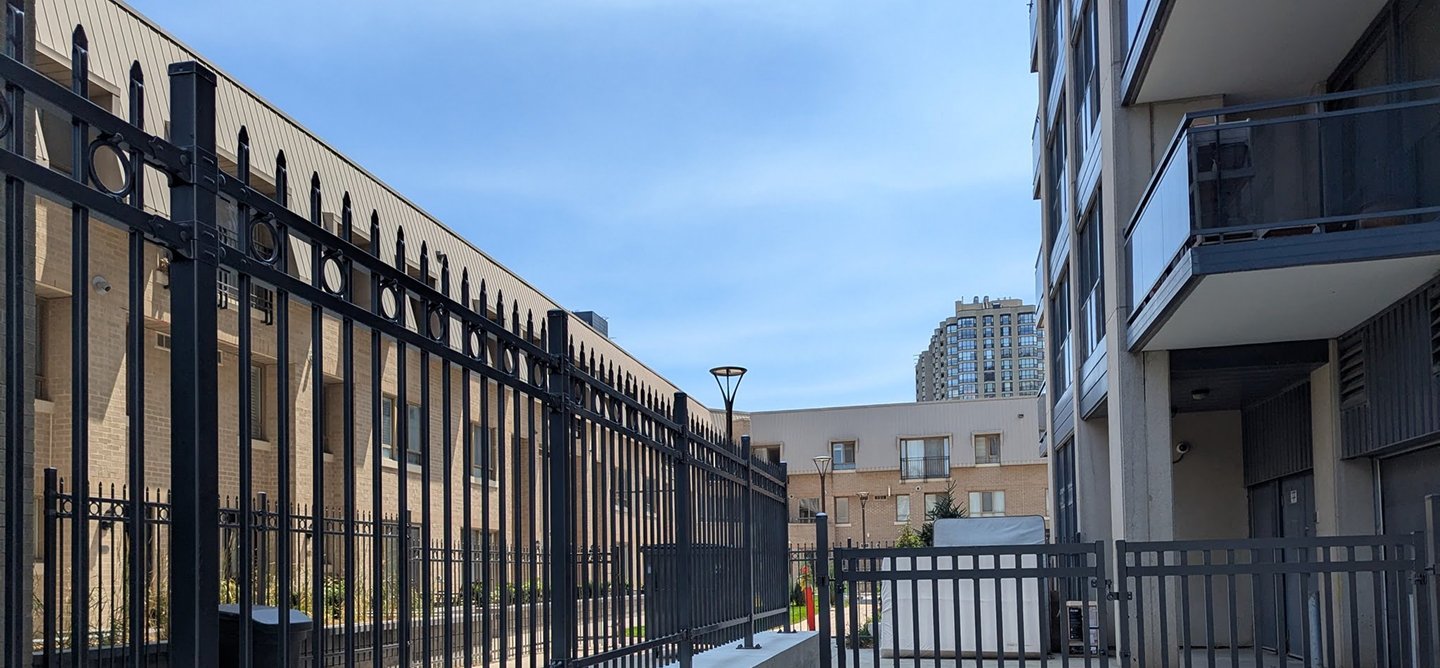
Specifying a commercial fence system is far more than selecting a perimeter barrier—it’s a strategic design decision that influences security, circulation, safety, aesthetics, durability, regulatory compliance, and long-term facility cost. For architects, the fence is often one of the first visible elements of a site, and it can either reinforce the design intent or become a weak point that results in maintenance issues, security gaps, or code conflicts.
Unlike residential projects where fencing is mostly aesthetic or privacy-based, commercial fencing must satisfy higher-level requirements such as access control, emergency response, public safety, risk mitigation, and strict compliance with municipal regulations. It also frequently involves coordination with multiple stakeholders, including civil engineers, security consultants, landscape designers, facility managers, and contractors.
This comprehensive guide is designed to help architects specify commercial fence systems with confidence—covering materials, performance standards, design integration, code considerations, hardware, gates, security requirements, and documentation best practices.
1. Start with the “Why”: Define the Functional Intent
Before choosing material, style, or height, architects should identify the fence’s primary purpose. A fence system can serve one or more of the following roles:
Perimeter Security
Protect property from intrusion, theft, and trespassing (industrial sites, warehouses, utilities).
Access Control
Define entry points and guide vehicular/pedestrian movement (campuses, commercial plazas, gated facilities).
Safety & Liability Reduction
Restrict access to hazards (loading docks, utility equipment, mechanical yards, fall edges).
Privacy Screening
Block visibility into sensitive areas (dumpsters, storage yards, outdoor mechanical systems).
Aesthetic or Branding Purpose
Support the architectural identity of the property (corporate offices, mixed-use developments).
Animal Control / Containment
Used in parks, recreation facilities, or agricultural-related commercial sites.
Why it matters:
A fence designed for appearance may fail under security demands, while a high-security fence could conflict with design goals or local restrictions. Defining intent early prevents expensive redesigns later.
2. Understand Fence System Types (Not Just Fence “Styles”)
Commercial fencing is usually specified as a complete system—not just panels. A complete system typically includes:
-
Fence fabric or infill (pickets, mesh, panels)
-
Posts and rails
-
Foundations and footings
-
Coatings/finishes
-
Gates and access hardware
-
Locks, access control, and security integration
-
Accessories (privacy slats, barbed wire, anti-climb features)
Common Commercial Fence Systems:
A) Chain Link (Standard and Security-Enhanced)
-
Cost-effective, strong, fast installation
-
Available in galvanized or vinyl-coated options
-
Security upgrades include tighter mesh, taller heights, barbed/razor wire, and anti-climb fabric
B) Ornamental Metal (Steel or Aluminum)
-
High visual appeal (office buildings, retail, public-facing properties)
-
Security-friendly when designed with anti-climb picket spacing
-
Often used to mimic wrought iron look without heavy maintenance
C) Palisade / Anti-Climb Steel Systems
-
High-security, industrial applications
-
Stronger impact resistance and anti-cut design
-
Ideal for utilities, data centers, and government sites
D) Welded Wire Mesh Panels
-
Increasingly popular for modern design
-
High visibility, strong structure, clean architectural profile
-
Anti-climb options available with small aperture mesh
E) Composite / Privacy Panel Systems
-
Used for screening mechanical yards, trash enclosures
-
Provides privacy + sound mitigation in some cases
-
Often selected for mixed-use or hospitality environments
3. Key Specification Factors Architects Must Consider
A) Security Level Requirements
Security is not “one size fits all.” Architects should coordinate security level with the client and risk profile.
Ask:
-
Is intrusion prevention required or just boundary definition?
-
Should the fence resist climbing, cutting, or ram attempts?
-
What is the site’s theft or vandalism history?
-
Does the facility require surveillance integration?
High-security sites typically require:
-
8 ft – 12 ft heights
-
anti-climb mesh or palisade
-
reinforced posts
-
controlled gate access
-
clear zones for surveillance (no landscaping that hides intruders)
B) Code & Bylaw Compliance
Most fence requirements come from municipal bylaws, but additional rules apply when fences interact with:
-
pools
-
fall protection zones
-
accessible paths
-
corner visibility triangles
-
fire routes
-
construction safety barriers
Architects should confirm:
-
maximum fence heights by yard type (front/side/rear)
-
setback requirements
-
restrictions on barbed wire (often limited to industrial zones)
-
requirements for fences near roads/intersections
-
permit needs for taller fences or special zones
C) Material Selection
Material affects appearance, cost, durability, and performance.
Steel
✅ Strongest and most secure
✅ Better impact resistance
⚠ Can rust without proper coating
⚠ Typically heavier and costlier to install
Aluminum
✅ Rust-resistant and lightweight
✅ Low maintenance
✅ Clean modern aesthetic
⚠ Less impact-resistant than steel
Galvanized Chain Link
✅ Affordable and widely available
✅ Durable and easy to repair
⚠ Industrial look may not suit premium properties
Welded Wire / Mesh Panels
✅ Modern architectural appearance
✅ Strong and climb-resistant
⚠ Costlier than standard chain link
D) Finish & Coating
Finishes affect longevity and appearance, especially in harsh climates.
Common options:
-
Hot-dip galvanized (excellent corrosion protection)
-
Powder coating (color flexibility + corrosion protection)
-
PVC/vinyl coating (often used for chain link)
-
Duplex systems (galvanizing + powder coat for long-term durability)
Architect tip:
Specify coating standards clearly and require manufacturer documentation for warranty performance.
4. Fence Height, Visibility, and “Defensible Space” Planning
Fence height is one of the first things clients ask about, but the “best height” depends on purpose and location.
Typical commercial fence heights:
-
4 ft – 6 ft: boundary definition, low-security, retail, decorative
-
6 ft – 8 ft: moderate security, warehouses, schools
-
8 ft – 12 ft: high security, utilities, industrial sites, restricted facilities
Important design principle:
High-security fencing often performs best when paired with clear zones:
-
Keep landscaping minimal near fence
-
Avoid climbable objects (benches, dumpsters, stacked materials)
-
Ensure lighting and cameras have sightlines
A fence should not only block entry—it should support detection and response.
5. Gate Systems: The Most Common Failure Point
Most fence failures happen at gates—not fence panels.
When specifying gates, consider:
A) Gate Type
-
Swing gates (single or double)
-
Slide gates (manual or automated)
-
Cantilever gates (better where ground tracks aren’t ideal)
-
Bi-fold gates (space-saving but more complex)
B) Usage + Traffic
-
vehicle frequency per hour/day
-
delivery truck turning radius
-
emergency access requirements
-
pedestrian gate requirements
-
visitor control procedures
C) Hardware & Security
Specify:
-
heavy-duty hinges and rollers
-
latch type and lock type
-
automated openers (if needed)
-
card reader integration, keypad, or remote entry
-
safety loops, photo eyes, and emergency release for automated gates
Architect best practice:
Coordinate with MEP and security consultants early to confirm conduit routes, power supply, and access control integration.
6. Site Conditions & Foundations (Often Overlooked)
Fence specification must consider:
-
soil type (clay, sand, fill)
-
frost depth (for cold climates)
-
slope and grade changes
-
drainage conditions
-
retaining walls and edge conditions
-
underground utilities
Fence performance depends heavily on post footing quality:
-
concrete size and depth
-
reinforcing requirements
-
drainage around posts
-
allowance for wind loads (especially for solid privacy systems)
For tall fences or wind-prone regions, engineers may require:
-
larger footings
-
thicker posts
-
additional bracing
-
wind-load calculations
7. Sustainability & Lifecycle Considerations
Architects are increasingly expected to evaluate fence systems through lifecycle cost and sustainability.
Sustainability strategies include:
-
using recyclable materials (aluminum and steel are highly recyclable)
-
specifying durable coatings to reduce replacements
-
selecting local manufacturers where possible
-
using modular systems that allow panel replacement without full tear-out
Lifecycle cost considerations:
-
initial material cost
-
labor and installation
-
maintenance needs (repainting, rust treatment)
-
repairs (impact, vandalism)
-
expected lifespan in local climate
Often, aluminum and premium coated steel cost more upfront but save money long-term.
8. Writing a Strong Fence Specification (What to Include)
A well-written specification protects design intent and prevents contractor substitutions that weaken performance.
Your spec should include:
Product & System Requirements
-
fence type and manufacturer basis-of-design
-
post size, rail size, panel style
-
material thickness/gauge
-
picket spacing or mesh aperture size
-
height and alignment tolerances
Finish Requirements
-
galvanizing standards
-
powder coat thickness requirements
-
color (RAL code if possible)
-
warranty duration for coating
Installation Requirements
-
footing depth and diameter
-
post spacing
-
grade transitions
-
bracing requirements
-
acceptable field modifications (or not)
Gate Requirements
-
gate type, size, and frame design
-
hardware quality level
-
locking method and access control compatibility
-
automation requirements + safety features
Quality Control
-
shop drawings required
-
sample panel requirement
-
inspection and acceptance standards
-
certifications (coating, welding, manufacturing)
9. Common Mistakes Architects Should Avoid
Here are frequent issues that cause delays and costly revisions:
❌ Specifying a fence height that violates municipal bylaws
❌ Ignoring corner-lot sight triangle restrictions
❌ Choosing decorative fences that allow easy climbing
❌ Underspecifying coatings (leading to rust and warranty disputes)
❌ Not coordinating gate automation early (electrical + access control)
❌ Not accounting for slope (resulting in gaps under fences)
❌ Treating gates as an accessory instead of a critical security component
10. Best-Practice Fence Specification Workflow for Architects
To streamline commercial fencing design, follow this process:
-
Define functional goals (security level, access control, aesthetics)
-
Confirm local bylaws and permitting
-
Choose system type aligned with performance needs
-
Coordinate with consultants (civil, security, landscape)
-
Confirm gate operations and access strategy
-
Specify coating and durability standards
-
Detail slope transitions, footings, and clear zones
-
Require shop drawings, samples, and QC documentation
-
Review submittals carefully to prevent substitutions
-
Ensure maintenance guidance is included for facility managers
Conclusion: A Fence System Is a Long-Term Investment
A commercial fence system affects how a site functions every day—how people enter, how assets are protected, how safe the environment feels, and how the property is perceived. For architects, specifying the right fence system requires balancing performance, compliance, durability, cost, and design integration.
The most successful commercial fencing specifications happen when architects treat fencing not as a secondary detail, but as a critical architectural and operational system that supports the client’s goals for decades.