


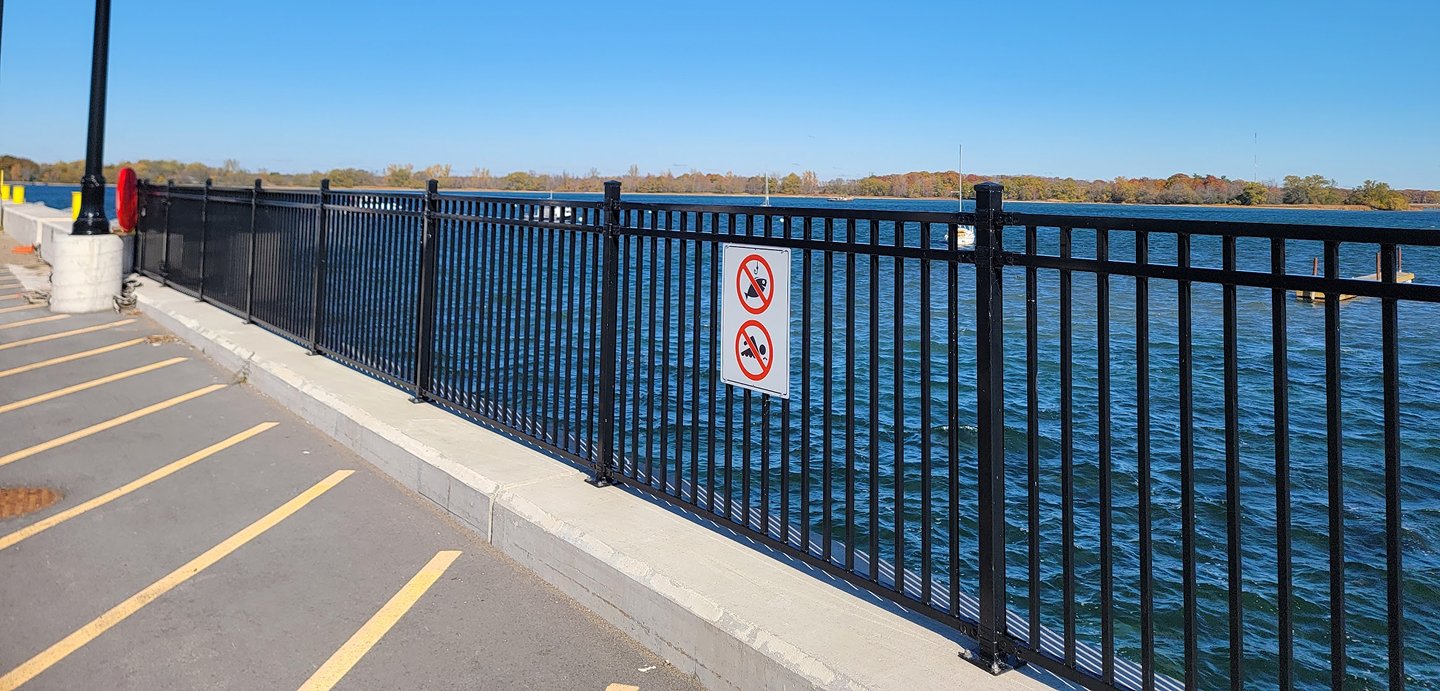
Selecting the right ornamental fence for a commercial property is a balance of security, durability, compliance, and visual impact. Unlike residential projects, commercial fencing must perform under heavier use, stricter regulations, and long-term exposure to the elements—while still reinforcing the property’s professional image.
Below is a practical, decision-focused guide to help specifiers, contractors, and property owners choose correctly.
1. Start with the Purpose of the Fence
Before comparing styles or finishes, define why the fence is needed:
- Perimeter security (industrial sites, utilities, warehouses)
- Controlled access (schools, offices, medical facilities)
- Asset protection (commercial yards, storage areas)
- Architectural enhancement (corporate campuses, mixed-use developments)
The primary purpose determines height, picket spacing, gate type, and overall strength requirements.
2. Choose a Commercial-Grade Construction
Commercial properties require fully welded panels, not bolted or kit-based systems.
Look for:
- Solid steel or aluminum tubing
- Welded pickets and rails for rigidity
- Structural consistency across panels and gates
Welded construction delivers better impact resistance, reduced maintenance, and a cleaner architectural appearance over time.
3. Match Fence Series to Security Needs
Different commercial environments demand different profiles:
- Medium-security applications (offices, retail, schools):
- Clean architectural series with balanced picket sizing and visual openness.
- High-security applications (industrial, institutional, infrastructure):
- Heavier pickets, thicker rails, and tighter spacing to resist climbing and intrusion.
Avoid over-specifying—unnecessary weight increases cost without adding functional value.
4. Prioritize Corrosion Protection and Finish
Commercial fences are long-term assets. A proper finish system is non-negotiable.
Key features to look for:
- Multi-stage surface preparation
- Zinc-based corrosion protection for steel
- Super durable powder coating with UV resistance
This ensures consistent appearance, extended lifespan, and reduced repainting or replacement costs—especially in harsh climates.
5. Ensure Compatibility with Commercial Gates
Fencing and gates must function as a single system.
Confirm compatibility with:
- Swing, slide, and cantilever gates
- Automation and access control systems
- Custom gate widths and heights
A fence system designed without gate integration often leads to costly site modifications later.
6. Consider Code Compliance and Site Conditions
Commercial fencing often falls under municipal or provincial regulations.
Account for:
- Height restrictions
- Sightline and setback rules
- Rackability for sloped terrain
- Post spacing and foundation requirements
Early coordination with engineers and local authorities avoids redesigns and approval delays.
7. Balance Aesthetics with Brand Image
Ornamental fencing is often the first physical touchpoint with a property.
Design choices should:
- Align with building architecture
- Support brand positioning (corporate, institutional, industrial)
- Maintain consistency across perimeter and entry points
A well-chosen ornamental fence communicates permanence, security, and professionalism.
8. Work with a Manufacturer That Understands Commercial Demands
Commercial projects benefit from manufacturers that offer:
- In-house fabrication
- Consistent lead times
- Technical support during specification
- Proven experience in commercial and custom work
Manufacturers like Medallion Fence design their commercial systems with these exact requirements in mind—ensuring fences perform as engineered, not just as drawn.
Final Thought
Choosing the right ornamental fence for a commercial property isn’t about selecting a style—it’s about engineering a solution that balances security, durability, compliance, and visual presence.
When specified correctly, a commercial ornamental fence becomes a long-term asset that protects the site, enhances architecture, and reflects the professionalism of the organization behind it.