


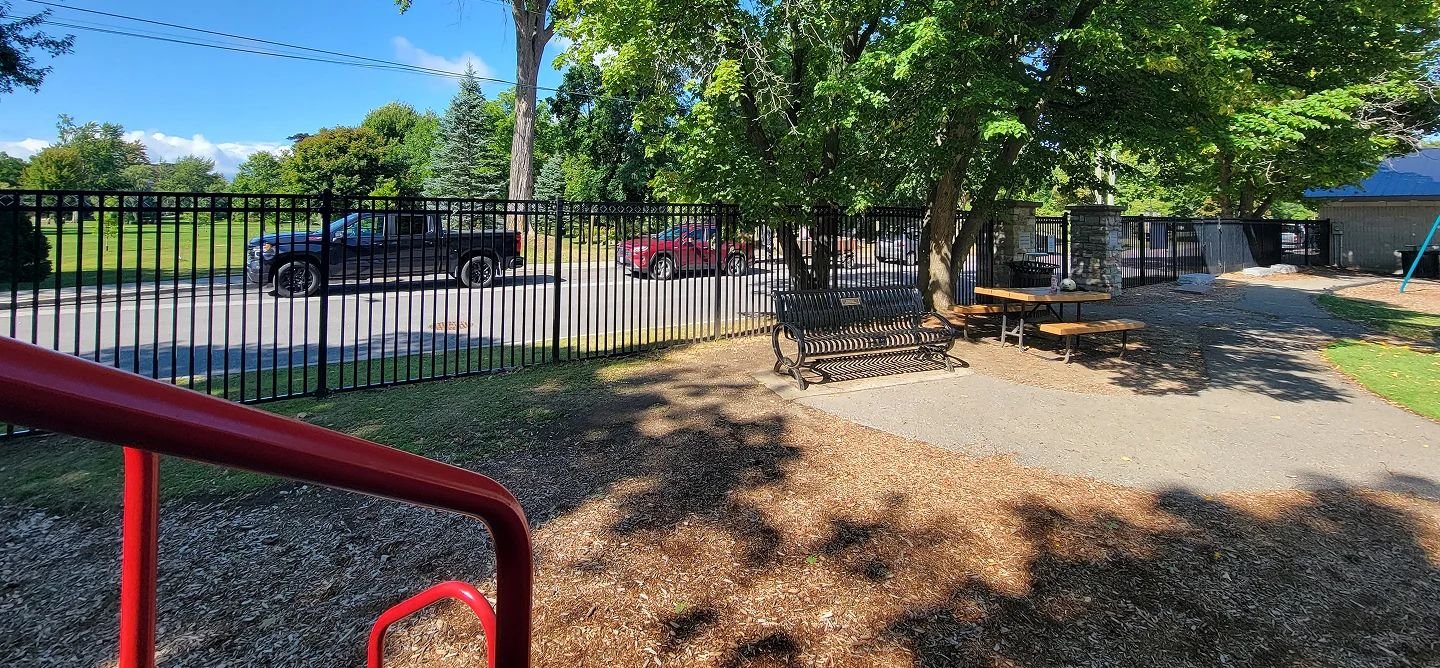
When planning a commercial fencing project, one of the most important decisions you’ll make is choosing the right material. A fence is more than just a boundary—it’s a critical part of your property’s security system, visual identity, and long-term investment. Whether you’re fencing off an industrial warehouse, a shopping plaza, a school campus, a storage facility, or an office complex, selecting the right fencing material can impact everything from maintenance costs to durability and even how customers perceive your business.
Two of the most common materials used for commercial fencing are aluminum and steel. While both are strong, reliable, and widely used, they have key differences that can make one a better fit than the other depending on your goals. In this blog post, we’ll break down aluminum vs. steel fencing in detail—covering strength, appearance, cost, maintenance, lifespan, security, and best applications—so you can make the smartest choice for your commercial fence project.
Why Material Choice Matters in Commercial Fencing
Commercial properties have unique fencing needs compared to residential spaces. Businesses and facilities often require fencing that provides:
-
High security
-
Durability against heavy use
-
Resistance to harsh weather
-
Professional appearance
-
Compliance with regulations
-
Cost-efficiency over time
A fence also plays an important role in branding and perception. A well-designed fence can communicate professionalism, organization, and safety, while a poorly chosen fence can lead to ongoing repair costs and security risks.
That’s why aluminum and steel remain top choices—they offer strength and a premium look. But they are not the same, and understanding their differences will help you choose wisely.
Understanding Aluminum Fencing
What Is Aluminum Fencing?
Aluminum fencing is made from lightweight metal alloy materials designed to be strong while resisting rust and corrosion. Many commercial aluminum fences are designed to mimic the look of wrought iron, making them a popular option for businesses that want elegant security fencing without the high maintenance.
Key Benefits of Aluminum Fencing
Here are the main advantages aluminum offers for commercial fence projects:
1. Rust and Corrosion Resistance
Aluminum is naturally corrosion-resistant. Unlike steel, it doesn’t rust, which makes it an excellent choice for commercial properties located in:
-
Coastal regions
-
High-humidity areas
-
Places with frequent rain or snow
-
Properties with sprinklers or water systems near fencing
This corrosion resistance significantly reduces the long-term cost of repairs.
2. Low Maintenance
Aluminum fences typically require very little upkeep. Most are coated with powder coating, which protects the fence from fading, chipping, and weather damage. Maintenance usually includes:
-
Occasional washing
-
Checking for loose hardware
-
Simple repairs if needed
No repainting or rust treatment is required.
3. Lightweight and Easier Installation
Since aluminum is lighter than steel, it is easier to handle and install. This can reduce labor costs and shorten project timelines—especially for larger commercial fencing installations.
4. Attractive Appearance
Aluminum fencing offers a sleek, polished look. It is often used in commercial spaces that value aesthetics, including:
-
Hotels and resorts
-
Retail centers
-
Parks and recreational facilities
-
Office buildings
-
Apartment complexes
It can enhance curb appeal and make your property look modern and professional.
Limitations of Aluminum
While aluminum is highly durable, it does have some limitations:
-
Not as strong as steel in high-impact scenarios
-
Can bend under heavy force (though high-quality aluminum is still sturdy)
-
Not always ideal for maximum-security applications
Aluminum is strong enough for many commercial uses, but for high-risk areas, steel may be a better option.
Understanding Steel Fencing
What Is Steel Fencing?
Steel fencing is made from iron-based alloy metal and is known for being extremely strong and impact-resistant. It is a common material for commercial and industrial properties where security and durability are the top priorities.
Steel fencing is often used for:
-
Security perimeter fencing
-
Industrial sites
-
Construction zones
-
Warehouses
-
Government facilities
Key Benefits of Steel Fencing
Here are the major advantages steel offers:
1. Maximum Strength and Security
Steel fencing is one of the strongest commercial fence materials available. It can withstand:
-
Impacts
-
Heavy pressure
-
Vandalism attempts
-
Forced entry
For businesses that require a high-security perimeter, steel is often the best choice.
2. Long-Term Durability
Steel fences are designed to handle tough environments and heavy use. With proper coatings and maintenance, steel fencing can last decades.
3. Excellent for High-Risk Areas
Steel fencing is commonly used around:
-
Warehouses
-
Utility sites
-
Airports
-
Data centers
-
Industrial plants
-
High-crime commercial zones
If you need fencing that sends a clear “Do Not Enter” message, steel does that well.
4. Supports Extra Security Features
Steel fencing can be paired easily with additional security options like:
-
Barbed wire or razor wire
-
Anti-climb panels
-
Security gates
-
Access control systems
-
Camera systems integration
Limitations of Steel
Steel fencing is powerful—but it comes with trade-offs:
-
Susceptible to rust if not properly coated
-
Higher maintenance than aluminum
-
Heavier and more expensive to install
-
Often costs more upfront
Steel can be a long-term solution, but businesses must invest in coatings and maintenance to avoid corrosion issues.
Aluminum vs. Steel: Detailed Comparison
Let’s compare aluminum and steel fencing side-by-side based on key commercial project factors:
1. Strength & Security
-
Steel: Stronger and more resistant to impact
-
Aluminum: Durable but can bend under heavy force
Winner: Steel (best for maximum security)
2. Rust Resistance
-
Steel: Can rust without coatings
-
Aluminum: Naturally rust-proof
Winner: Aluminum (best for wet or coastal locations)
3. Maintenance Requirements
-
Steel: Needs regular inspections, touch-ups, and rust prevention
-
Aluminum: Minimal maintenance, no rust concerns
Winner: Aluminum
4. Cost (Upfront and Long-Term)
-
Steel: Often higher upfront, plus maintenance costs
-
Aluminum: May cost slightly more than basic steel panels but saves money long-term due to less maintenance
Winner: Depends
-
Steel for heavy-duty security investment
-
Aluminum for low maintenance and long-term savings
5. Appearance and Design Options
-
Aluminum: Modern, clean, and decorative
-
Steel: Strong and industrial-looking (though can also look premium)
Winner: Aluminum (best for aesthetic-focused properties)
6. Installation
-
Steel: Heavier, needs stronger posts, and more labor
-
Aluminum: Lightweight, faster installation
Winner: Aluminum
Which Material Is Best for Different Commercial Properties?
Here’s a quick guide to help you match fencing material to your property type:
Best Uses for Aluminum Fencing
Aluminum is ideal for businesses that need a good balance of security and appearance:
-
Office buildings
-
Retail malls
-
Apartment communities
-
Schools (non-high-risk)
-
Pools and recreational areas
-
Restaurants and hotels
-
Commercial spaces focused on curb appeal
Best Uses for Steel Fencing
Steel is best for high-security locations:
-
Industrial sites
-
Factories and plants
-
Warehouses
-
Storage units
-
Construction sites
-
Government facilities
-
High-risk commercial properties
How to Choose the Right Fence Material for Your Project
Before making a final decision, ask yourself these key questions:
1. What Level of Security Do You Need?
If you need serious perimeter security, steel may be the best choice. If your goal is more about controlling access and creating a professional boundary, aluminum is often enough.
2. What Is Your Climate Like?
-
Coastal or humid areas → aluminum is better
-
Dry areas with low rust risk → steel can work well
3. What’s Your Budget?
If your budget can handle a higher upfront investment, steel offers unmatched durability. If you want cost-efficient, low-maintenance performance over time, aluminum often provides better long-term value.
4. Do You Want Decorative or Industrial Appearance?
Aluminum fits modern business aesthetics better, while steel offers a strong, industrial feel.
Final Thoughts: Aluminum or Steel?
Choosing between aluminum and steel fencing comes down to your commercial property’s needs. Both materials offer excellent benefits—but the “right” choice depends on what matters most to you.
Choose Aluminum if you want:
- Rust resistance
- Low maintenance
- Faster installation
- A clean, professional look
Choose Steel if you want:
- Maximum strength and security
- Impact resistance
- Heavy-duty industrial performance
- Long-term durability (with maintenance)
Ultimately, the best fencing material is the one that aligns with your security requirements, budget, and environment. If you’re investing in a commercial fence, making the right choice upfront can save you thousands of dollars in repairs and replacements later.